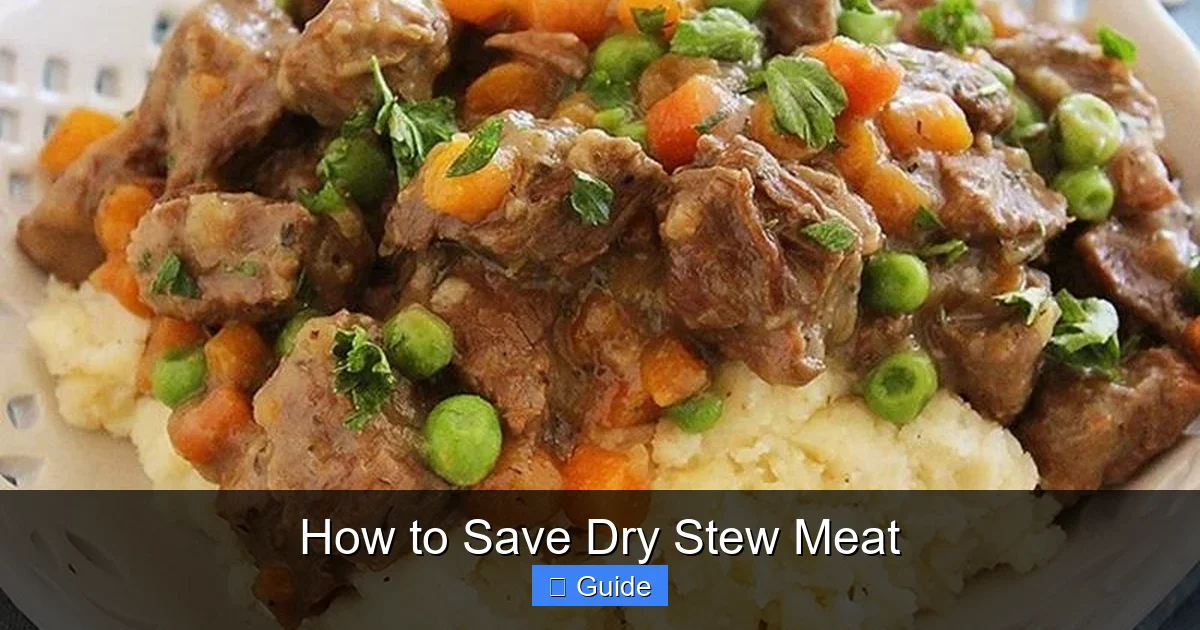
How to Save Dry Stew Meat
Accidentally overcooked your stew meat? Don’t despair! This comprehensive guide provides multiple effective strategies to save dry stew meat, turning a potential disaster into a delicious triumph. Learn how to rehydrate, re-flavor, and transform tough cuts into tender, flavorful dishes, ensuring no good meat goes to waste. Discover simple, step-by-step methods to revive your meal and prevent future mishaps.
How to Save Dry Stew Meat
We’ve all been there. You’ve spent time preparing a hearty stew, anticipating tender, succulent pieces of meat, only to discover, to your dismay, that the meat is tough, chewy, and disappointingly dry. It’s a common kitchen mishap, but it doesn’t mean your entire meal is ruined. In fact, with a little know-how and some patience, you can often rescue that dry stew meat and turn it into something delicious.
This comprehensive guide will walk you through various proven methods to rehydrate, tenderize, and revitalize your dry stew meat. We’ll cover everything from gentle rehydration techniques to transforming the meat into entirely new, flavorful dishes. You’ll also learn practical tips to prevent your stew meat from drying out in the first place, ensuring your future stews are always perfectly moist and tender. Get ready to banish food waste and become a master of meat rescue!
Key Takeaways
- Assess the Damage: First, ensure your dry stew meat is safe to eat (no off-smells or signs of spoilage) before attempting to salvage it.
- Rehydration is Key: The primary goal for saving dry stew meat is to introduce moisture back into the fibers through slow, gentle cooking in a flavorful liquid.
- Utilize Flavor Boosters: Don’t just add water; use broths, wines, aromatics, and seasonings to infuse taste and mask any residual dryness or overcooked flavors.
- Embrace Slow Cooking: Whether on the stovetop, in the oven, or a slow cooker, low and slow heat is crucial for breaking down tough fibers and allowing moisture to penetrate.
- Transform if Necessary: If rehydration alone isn’t enough, don’t be afraid to shred, mash, or grind the meat and repurpose it into new, delicious dishes like tacos, shepherd’s pie, or chili.
- Pressure Cooking as a Shortcut: For quicker results, a pressure cooker can significantly reduce the time needed to tenderize and rehydrate dry stew meat.
- Prevent Future Dryness: Learn to prevent dry stew meat by choosing appropriate cuts, searing, using enough liquid, and avoiding overcooking in the first place.
Understanding the Problem: Why is My Stew Meat Dry?
Before we dive into solutions, let’s quickly understand why stew meat becomes dry. Knowing the cause can help you prevent it from happening again.
- Overcooking: This is the most common culprit. While stew meat benefits from long, slow cooking, there’s a point where it goes from tenderizing to drying out. High heat for too long causes the muscle fibers to contract excessively, squeezing out moisture and leaving them tough and dry.
- Not Enough Liquid: Stew meat needs to be submerged in liquid or cooked in a high-moisture environment to break down collagen and stay moist. If your stew lacks sufficient liquid, the meat can steam away its moisture or cook too directly, leading to dryness.
- Lean Cuts of Meat: While typically, we use tougher, fattier cuts for stew (like chuck or short rib) because they become tender over time, very lean cuts can dry out quickly. If you’re using leaner options, they require careful monitoring.
- Too High Heat: Cooking stew at too high a temperature, even if there’s enough liquid, can cause the liquid to evaporate too quickly and the meat to dry out before it has a chance to tenderize properly.
Preparation: Assessing Your Dry Stew Meat
Before attempting to save your dry stew meat, it’s crucial to assess its condition. Not all dry meat can or should be salvaged.
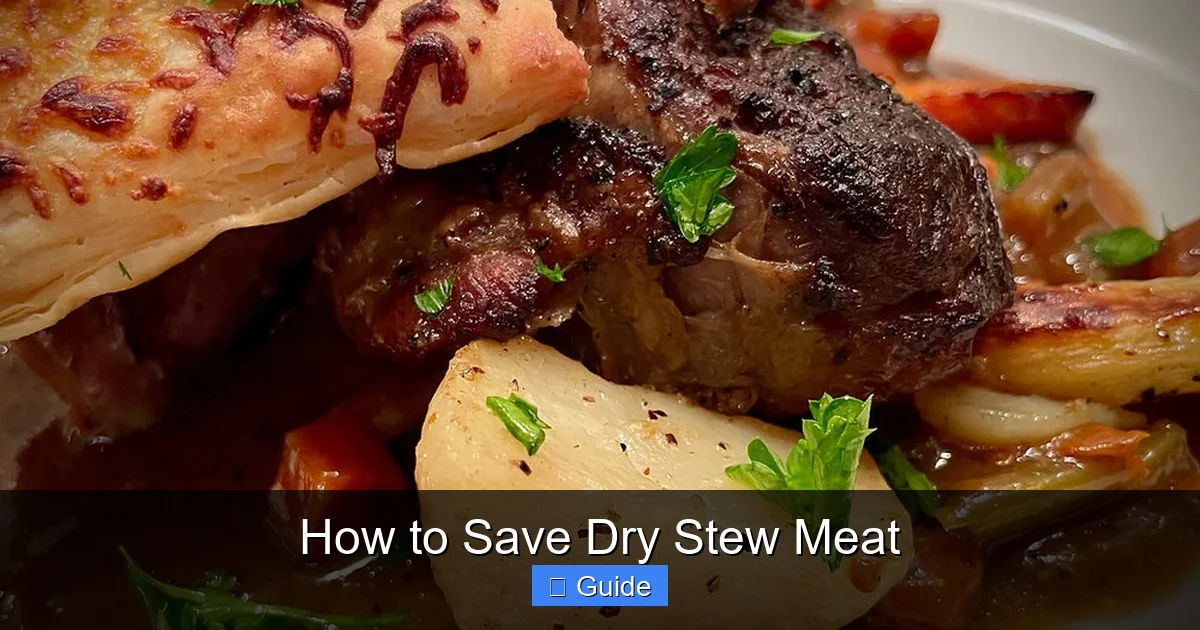
Visual guide about how to Save Dry Stew Meat
Image source: static.wixstatic.com
Visual Inspection and Smell Test
First, take a good look and a sniff. The meat should not have any off-colors (like green or grayish hues if it wasn’t there before) or a slimy texture. Most importantly, it should not have a sour, sulfuric, or ammonia-like smell. If you detect any of these signs, it’s best to err on the side of caution and discard the meat. Your health is more important than saving a dish!
Texture Check
If it looks and smells okay, feel the meat. Is it just tough and dry, or is it rubbery and completely unappetizing? Even very tough, dry stew meat can often be saved if the flavor isn’t completely compromised.
Small Taste Test (if safe)
If everything else checks out, you can try a tiny, cooled piece. Does it taste simply bland and dry, or does it have an unpleasant, burnt, or rancid flavor? If the flavor is just “not good” rather than “spoiled,” you’re in a good position to proceed with our rescue methods.
Method 1: Rehydrating with Additional Liquid and Slow Cooking
This is often the most straightforward and effective way to save dry stew meat, especially if it’s merely tough and lacking moisture. The goal is to reintroduce liquid and allow it to tenderize slowly.
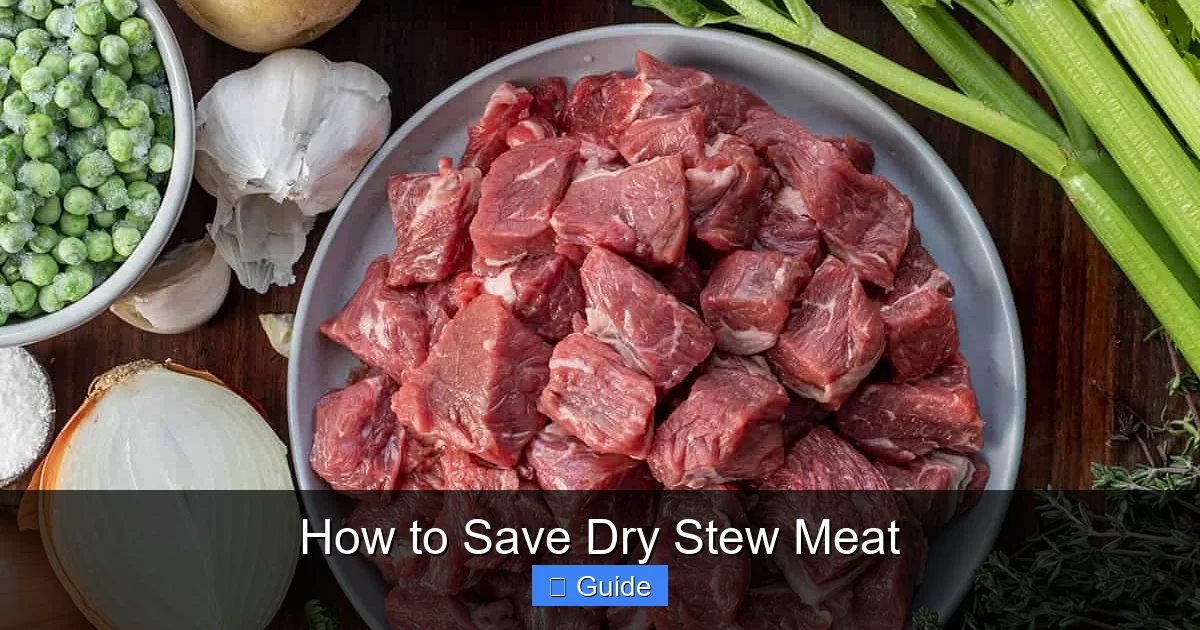
Visual guide about how to Save Dry Stew Meat
Image source: iamhomesteader.com
Step 1: Choose Your Liquid Base
The type of liquid you choose will significantly impact the final flavor. Don’t just add water; think about enhancing the taste.
- Broth (Beef, Chicken, or Vegetable): This is your go-to option. Beef broth is excellent for beef stew, enhancing its natural flavors. Chicken or vegetable broth can also work and are lighter alternatives. Choose low-sodium options so you can control the seasoning later.
- Wine (Red or White): A splash of red wine can add depth and richness, particularly to beef stew. White wine can lighten the flavor and add a touch of acidity, which helps tenderize meat. Make sure to choose a dry wine you’d enjoy drinking.
- Tomato Products: Diced tomatoes, crushed tomatoes, or even tomato paste diluted with broth can add moisture, acidity, and a savory tang. The acidity helps break down tough fibers in the dry stew meat.
- Water with Flavor Enhancers: If you don’t have broth, water combined with a bouillon cube, a dash of soy sauce or Worcestershire, or some dehydrated mushrooms can create a flavorful base.
Step 2: Add Aromatics and Flavor Boosters
Just adding liquid isn’t enough. You need to infuse flavor to truly rescue dry stew meat.
- Onions, Garlic, Carrots, Celery: These classic mirepoix vegetables are fantastic for building a flavor foundation. Sauté them briefly before adding your liquid for extra depth.
- Herbs: Fresh or dried herbs like bay leaves, thyme, rosemary, or parsley will awaken the flavors. Add them early in the cooking process.
- Spices: Depending on your stew’s original profile, consider adding a pinch of paprika, cumin, chili powder, or a dash of your favorite spice blend.
- Umami Enhancers: A teaspoon of Worcestershire sauce, soy sauce, or a bit of mushroom powder can add a rich, savory depth that masks any blandness in the dry stew meat.
- Acidity: A small amount of vinegar (balsamic, red wine) or lemon juice can brighten flavors and aid in tenderizing the dry stew meat.
Step 3: Gentle Reheating and Simmering
This step requires patience. Low and slow is the key to rehydrating dry stew meat effectively.
Using the Stovetop
Place your dry stew meat in a pot or Dutch oven. Add your chosen liquid until the meat is mostly submerged. Stir in your aromatics and flavor boosters. Bring the mixture to a gentle simmer, then reduce the heat to very low. Cover the pot tightly and let it simmer for at least 1-2 hours. Check periodically.
Using the Oven
Preheat your oven to a low temperature, around 275-300°F (135-150°C). Combine the dry stew meat, liquid, and flavorings in an oven-safe Dutch oven or heavy pot with a tight-fitting lid. Cook for 2-3 hours, or until the meat is tender. The oven provides very even, gentle heat.
Using a Slow Cooker
A slow cooker is perfect for this task. Place the dry stew meat, liquid, and other ingredients into your slow cooker. Cook on the “low” setting for 3-4 hours, or until the meat is fork-tender. This method requires minimal supervision and yields excellent results for tough, dry stew meat.
Step 4: Monitoring and Adjusting
Throughout the cooking process, keep an eye on your dry stew meat.
- Check Tenderness: Every hour or so, remove a piece of meat and test its tenderness with a fork. It should shred easily or be very tender when pierced.
- Add More Liquid: If the liquid level gets too low, add more warm broth or water to keep the meat submerged.
- Adjust Seasoning: Once the meat is tender, taste the liquid. Adjust salt, pepper, and other seasonings as needed. You might want to add a fresh sprinkle of herbs before serving.
Method 2: Transforming into a New Dish (Mashing, Shredding, or Grinding)
Sometimes, even after rehydration, dry stew meat might not have the ideal texture for a traditional stew. In these cases, transforming it into a new dish is a brilliant solution. This method is especially useful for very tough or stringy dry stew meat.
Visual guide about how to Save Dry Stew Meat
Image source: thedailymeal.com
Step 1: Break Down the Meat
The goal here is to change the texture of the dry stew meat.
- Shredding: Use two forks to pull the meat apart into strands. This works well for meat that has become somewhat tender but is still not ideal for large chunks.
- Mashing: If the meat is very soft but somewhat crumbly, you can use a potato masher or the back of a fork to mash it into a finer consistency.
- Grinding: For truly stubborn dry stew meat, a food processor can grind it into a fine mince. Pulse rather than blend continuously to avoid a paste-like texture. A meat grinder attachment works even better if you have one.
Step 2: Incorporate Moisture and Binders
Once broken down, the dry stew meat needs new moisture and often a binder to hold it together in its new form.
- Sauces: BBQ sauce, tomato sauce, gravy, or a rich mushroom sauce can provide much-needed moisture and flavor.
- Dairy: A dollop of sour cream, cream cheese, or even plain yogurt can add creaminess and moisture, especially for mashed meat.
- Eggs and Breadcrumbs: If you’re making patties or meatballs, eggs act as a binder, and breadcrumbs absorb moisture and add texture.
- Vegetables: Pureed or very finely diced vegetables (like sautéed onions, peppers, or mushrooms) can add moisture, flavor, and volume.
Step 3: Create a New Meal
Here are some ideas for repurposing your dry stew meat:
- Shepherd’s Pie or Cottage Pie Filling: Mix shredded or ground dry stew meat with gravy, cooked vegetables (peas, carrots, corn), and top with mashed potatoes before baking.
- Tacos, Burritos, or Enchilada Filling: Season the shredded or ground dry stew meat with taco seasoning, sauté with onions and peppers, and use as a flavorful filling.
- Meatballs or Patties: Combine ground dry stew meat with an egg, breadcrumbs, herbs, and spices. Form into meatballs or burger patties and cook.
- Pasta Sauce: Stir shredded or ground dry stew meat into a rich marinara sauce or Bolognese for a hearty and flavorful pasta topping.
- Chili: Add the shredded or ground dry stew meat to your favorite chili recipe for extra substance and flavor.
- Stuffed Peppers or Squash: Mix the dry stew meat with rice, vegetables, and sauce, then stuff into bell peppers or winter squash and bake.
- Quesadillas or Grilled Cheese: Mix shredded meat with cheese and other fillings for a savory quesadilla or a gourmet grilled cheese sandwich.
Method 3: Using a Pressure Cooker for Rapid Rehydration
If you’re short on time, a pressure cooker can be a lifesaver for tough, dry stew meat. It significantly speeds up the tenderizing process.
Step 1: Prepare the Meat and Liquid
Place your dry stew meat into the pressure cooker pot. Add your chosen liquid (broth, wine, etc.) ensuring there’s enough liquid to come at least halfway up the meat, but not exceeding the max fill line of your cooker.
Step 2: Add Flavorings
Include your preferred aromatics, herbs, and spices, just as you would for the slow-cooking method. The pressure cooker will infuse these flavors deeply into the dry stew meat.
Step 3: Pressure Cook
Secure the lid on your pressure cooker. Cook on high pressure for 20-40 minutes, depending on how large the pieces of dry stew meat are and how tough they initially were. For very dry and tough meat, lean towards the longer end of the spectrum. Allow for a natural pressure release for at least 10-15 minutes, or a full natural release if time permits, as this helps the meat absorb moisture and stay tender.
Once the pressure has released, carefully open the lid and check the tenderness of the dry stew meat. If it’s not quite tender enough, you can reseal and cook for another 10-15 minutes.
Essential Tips for Success When Saving Dry Stew Meat
- Don’t Rush the Process: Patience is your best friend when rehydrating dry stew meat. Low and slow cooking methods are superior for tenderizing.
- Taste as You Go: Regularly taste the liquid and a small piece of meat to adjust seasonings and determine when it’s reached optimal tenderness and flavor.
- Don’t Overcrowd the Pot: Give the dry stew meat enough room in the pot. Overcrowding can lower the temperature and lead to uneven cooking.
- Keep it Covered: A tight-fitting lid is crucial to trap moisture and heat, allowing the dry stew meat to rehydrate and tenderize effectively.
- Consider Cutting into Smaller Pieces: If your dry stew meat is in very large, thick chunks, you might consider cutting it into smaller, more manageable pieces before rehydrating. This allows moisture to penetrate more quickly.
Preventing Dry Stew Meat in the Future
The best way to save dry stew meat is to prevent it from happening! Here are some tips for perfectly tender stew every time:
- Choose the Right Cuts: Opt for cuts with plenty of connective tissue and fat, like beef chuck, short ribs, beef round (bottom round or top round), or even brisket. These cuts break down beautifully with slow cooking.
- Sear Before Stewing: Brown the meat on all sides in a hot pan before adding it to your stew pot. This creates a flavorful crust (Maillard reaction) and helps seal in juices.
- Ensure Enough Liquid: Make sure your stew meat is largely submerged in liquid. The liquid acts as a braising medium, keeping the meat moist.
- Cook Low and Slow: Stews are not meant for high heat. A gentle simmer on the stovetop, a low oven temperature (around 300°F/150°C), or a slow cooker on low setting are ideal. This allows collagen to break down into gelatin, making the dry stew meat wonderfully tender.
- Don’t Overcook: While stew meat needs time, there is a point of diminishing returns. Once the meat is fork-tender, it’s done. Continuing to cook it for too long, especially at higher temperatures, can start to dry it out again.
- Rest the Meat: If you’re cutting larger pieces of stew meat, let them rest for a few minutes after cooking. This allows juices to redistribute, leading to more tender and flavorful meat.
Troubleshooting Common Issues
Even with the best intentions, you might run into some snags while trying to save dry stew meat.
Still Tough?
If your dry stew meat is still tough after extended cooking, it likely needs more time. Continue simmering on low heat, ensuring there’s enough liquid. Adding a small amount of acidic liquid like tomato paste, wine, or vinegar can also help break down tough fibers. Just be careful not to make the stew too sour.
Flavorless Dry Stew Meat?
If the meat is tender but bland, you need to boost the flavor. Add more aromatic vegetables (sautéed onions, garlic), fresh herbs, a dash of Worcestershire or soy sauce, or a bit of concentrated broth. A squeeze of lemon juice or a sprinkle of fresh parsley at the end can also brighten the overall taste.
Too Mushy?
If your rescued dry stew meat has become unexpectedly mushy, it’s likely overcooked. Don’t despair! This is a perfect opportunity to use Method 2: Transforming into a New Dish. Shred, mash, or grind it and use it in tacos, shepherd’s pie, or a hearty pasta sauce where a softer texture is desirable.
Too Much Liquid After Rehydrating?
If you’ve ended up with too much liquid, simply remove the meat (and any chunky vegetables). Bring the remaining liquid to a boil and let it simmer uncovered until it reduces and thickens to your desired consistency. You can also thicken it with a cornstarch or flour slurry.
Conclusion
Saving dry stew meat isn’t just about reducing waste; it’s about culinary resilience. With the techniques outlined in this guide, you now have the power to transform a kitchen setback into a delicious success. Remember the importance of rehydration through slow cooking, the magic of flavor boosters, and the versatility of transforming tough meat into new, exciting dishes. By understanding the causes of dry stew meat and implementing preventive measures, you’ll ensure your future stews are always a testament to your masterful cooking. So, the next time you encounter dry stew meat, don’t throw in the towel—grab your broth, your aromatics, and get ready to salvage a truly satisfying meal!

Jennifer D. Simon has spent the last 26 years studying and practicing nutrition science. She has used a larger part of this time in improving people’s livelihoods. She has done so by coming up with unquestionable ideas on how to tackle food problems in her community. Read More