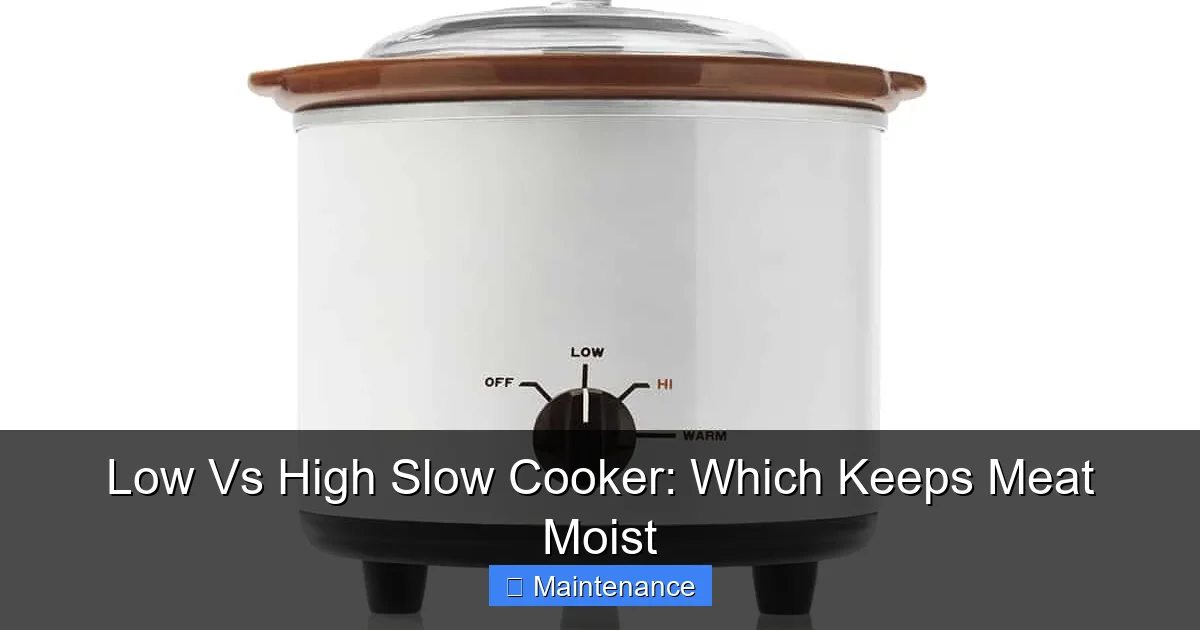
Low Vs High Slow Cooker: Which Keeps Meat Moist
Choosing between low and high slow cooker settings significantly impacts meat moisture. Generally, the low setting is superior for achieving tender, juicy results by allowing collagen to break down gently over an extended period. While the high setting cooks faster, it can increase the risk of drying out your meat, especially leaner cuts, due to quicker moisture evaporation and muscle fiber contraction. Understanding these differences, alongside proper liquid levels and avoiding frequent lid lifting, is key to delicious, moist slow-cooked meals.
Low Vs High Slow Cooker: Which Keeps Meat Moist
Ah, the slow cooker. It’s a kitchen superhero, isn’t it? It takes tough cuts of meat and transforms them into incredibly tender, fall-apart dishes with minimal effort. But there’s a common question that often leaves home cooks scratching their heads: When should you use the “low” setting, and when is “high” okay? More importantly, which one will give you that perfectly moist, juicy meat you crave?
If you’ve ever pulled a dry, stringy piece of chicken or beef from your slow cooker, you know the disappointment. The promise of a tender meal can quickly vanish. But don’t worry! You’re about to unlock the secrets to achieving consistently moist and delicious results, every single time. We’ll dive into the science behind slow cooking, compare the low and high settings, and give you practical steps to ensure your meat stays wonderfully juicy.
In this comprehensive guide, you’ll learn the key differences between the low and high slow cooker settings. We’ll explore how each setting affects moisture retention. You’ll discover crucial factors beyond just the temperature setting that influence how moist your meat turns out. By the end, you’ll be a slow cooker pro, confident in your ability to create mouth-watering, perfectly tender, and incredibly moist dishes.
Quick Answers to Common Questions
Why does my slow cooker meat get dry?
Often, dry slow cooker meat is a result of overcooking, using too lean a cut of meat, not enough liquid, or frequently lifting the lid, which causes heat and moisture to escape.
Is it okay to open the slow cooker lid?
It’s best to avoid opening the slow cooker lid as much as possible. Each time you lift it, a significant amount of heat and steam escapes, extending the cooking time and potentially drying out your meat.
Can I cook chicken breast on high in a slow cooker?
You can, but it’s generally not recommended for optimal moisture. Chicken breast is lean and can dry out quickly on high. If you must, ensure plenty of liquid and monitor closely to avoid overcooking.
What’s the ideal internal temperature for shreddable beef?
For beef cuts like chuck roast that you want to shred, an internal temperature of 190-205°F (88-96°C) is ideal. At this point, the collagen has fully broken down, making the meat incredibly tender.
Should I sear meat before slow cooking?
Searing meat before slow cooking adds a rich, deep flavor through the Maillard reaction. While it doesn’t “seal in” moisture, it significantly enhances the overall taste of your dish and is highly recommended if you have the time.
Understanding Slow Cooker Settings: Low vs. High
Before we crown a winner for moisture retention, let’s get a clear picture of what “low” and “high” actually mean in the world of slow cooking. It’s not just about cooking faster or slower; it’s about how the heat interacts with your food in the slow cooker.
The Low Setting: Gentle and Patient Slow Cooking
Think of the low setting as the tortoise in the race – slow and steady wins. When your slow cooker is on low, it typically operates at temperatures between 170°F and 200°F (77°C and 93°C). This gentle heat is the secret to its success.
- Extended Cooking Time: Dishes cooked on low usually require a longer period, often 6 to 10 hours, sometimes even longer for very large cuts. This makes the slow cooker perfect for busy days.
- Even Heat Distribution: The lower temperature allows the heat to penetrate the food slowly and evenly. This gentle process gives tough cuts of meat ample time for their connective tissues to break down without drying out the muscle fibers.
- Ideal for Tenderness: This slow cooker setting is perfect for achieving that fork-tender texture. It’s particularly beneficial for cuts that are rich in collagen, like beef chuck or pork shoulder. The collagen slowly transforms into gelatin, making the meat incredibly moist and succulent.
The High Setting: Faster, But With Caution in Your Slow Cooker
The high setting is the hare – it gets things done quickly, but you need to be careful not to overshoot the finish line. On high, your slow cooker will typically reach temperatures between 250°F and 300°F (121°C and 149°C).
- Reduced Cooking Time: Cooking on high significantly cuts down the cooking time, usually to 3 to 5 hours. This can be appealing when you’re in a rush to use your slow cooker.
- More Intense Heat: The higher temperature means faster cooking. However, this increased intensity can be a double-edged sword. While it speeds up the process, it also increases the risk of moisture loss.
- Potential for Dryness: If not managed carefully, especially with leaner cuts of meat, the high setting can lead to dry, tough results in your slow cooker. The rapid heat can cause muscle fibers to contract quickly, squeezing out moisture before the collagen has had enough time to fully break down.
The Science of Moisture Retention in Meat for Slow Cooking
To truly understand which slow cooker setting keeps meat moist, we need a quick peek into what happens inside the meat itself. It’s all about a few key elements: collagen, muscle fibers, and evaporation in the slow cooker’s environment.
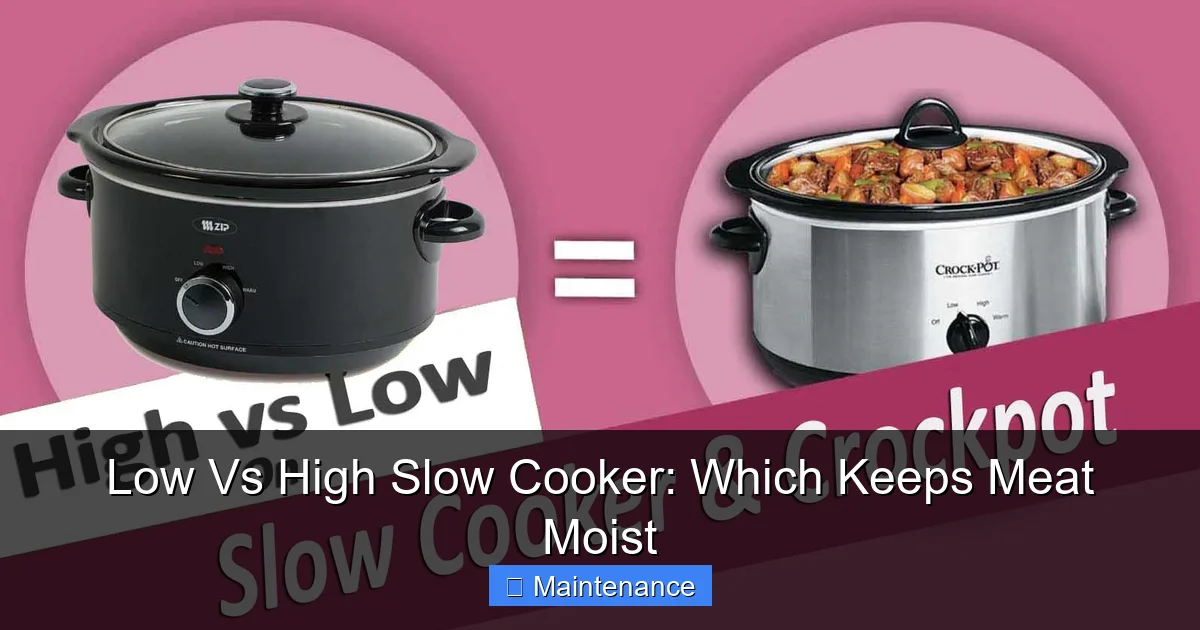
Visual guide about how to Low vs High Slow Cooker
Image source: kitchenflock.com
Collagen Breakdown: The Tenderness Key in Your Slow Cooker
Meat, especially tougher cuts often used in slow cooking, contains a lot of connective tissue, primarily collagen. Collagen is a tough protein. When heated slowly and gently, as in a slow cooker, collagen breaks down and melts into gelatin. This gelatin is what gives slow-cooked meat that incredibly tender, fall-apart texture and contributes significantly to its moistness.
- Low Heat Advantage: The low setting of a slow cooker is ideal for collagen breakdown. It provides enough heat to transform collagen without aggressively contracting muscle fibers. This long, slow process means more gelatin is formed, leading to a juicier outcome.
- High Heat Challenge: On high, the collagen still breaks down, but the faster, more intense heat can also cause the muscle fibers to tighten up more rapidly. This can push out moisture before the gelatin has a chance to fully hydrate the meat.
Muscle Fiber Contraction: Squeezing Out Juices in the Slow Cooker
Meat is made up of muscle fibers. When exposed to heat in your slow cooker, these fibers contract. Think of squeezing a wet sponge. The harder you squeeze, the more liquid comes out. The same principle applies to meat.
- Gentle Contraction on Low: The gradual heat of the low setting causes muscle fibers to contract slowly and gently. This minimizes the amount of moisture that gets squeezed out.
- Aggressive Contraction on High: Higher temperatures cause muscle fibers to contract more rapidly and intensely. This can force out a significant amount of the meat’s natural juices, leading to a drier result from your slow cooker.
Evaporation: The Silent Moisture Thief in Your Slow Cooker
Even with a lid, some moisture will evaporate during cooking. The hotter the slow cooker environment and the longer the lid is open, the more moisture escapes.
- Less Evaporation on Low: The lower temperature setting of a slow cooker creates less intense steam and pressure, leading to slower, more controlled evaporation.
- More Evaporation on High: The higher temperature generates more steam and can create a more aggressive environment for moisture to escape, even from under a sealed slow cooker lid.
Which Setting Keeps Meat Moist? The Slow Cooker Verdict
After considering the science, the answer becomes clear:
Visual guide about how to Low vs High Slow Cooker
Image source: foodsguy.com
Generally, the low slow cooker setting is superior for keeping meat moist and tender.
Here’s why:
- Optimized Collagen Conversion: The gentle, extended cooking time on low allows for the maximum conversion of tough collagen into tender, moist gelatin within the slow cooker.
- Minimized Moisture Loss: The lower temperature leads to less aggressive muscle fiber contraction and reduced evaporation, preserving the meat’s natural juices.
- Consistent Results: It provides a more forgiving cooking environment, reducing the risk of overcooking and drying out, especially for those longer unattended cooks in your slow cooker.
While the high setting can be used, it requires more attention and is generally riskier for moisture retention, particularly with leaner cuts. If you prioritize consistently moist, fall-apart meat, “low and slow” in your slow cooker is almost always the best approach.
Key Factors for Moist Slow Cooker Meat (Beyond Setting)
While the slow cooker setting is crucial, it’s not the only player in the game of moist meat. Several other factors contribute significantly to the juiciness of your final dish. Understanding these will give you even greater control over your slow cooker recipes.
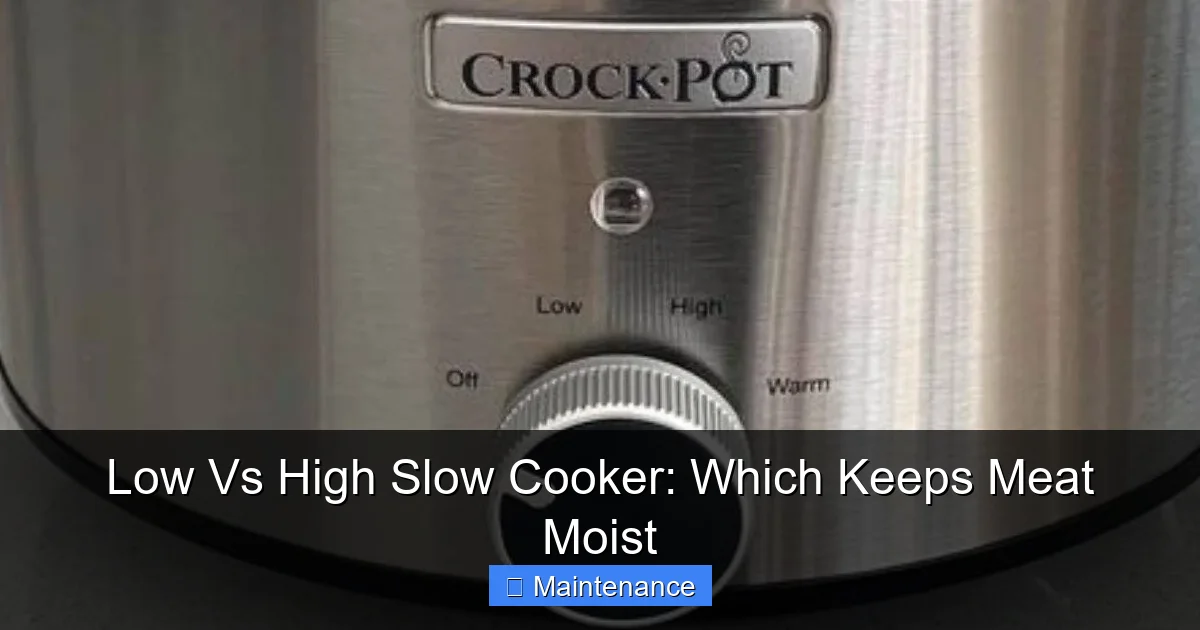
Visual guide about how to Low vs High Slow Cooker
Image source: ovenspot.com
Cut of Meat Matters: Fatty vs. Lean Slow Cooker Choices
The type of meat you choose plays a huge role in slow cooker moisture.
- Fattier Cuts are More Forgiving: Cuts like beef chuck roast, pork shoulder (Boston butt), short ribs, and dark-meat chicken (thighs, drumsticks) have more intramuscular fat and connective tissue. This fat renders during cooking, adding flavor and moisture, making these cuts more forgiving if slightly overcooked in the slow cooker. They are perfect for long, slow cooking.
- Leaner Cuts Need More Care: Leaner meats such as chicken breast, pork loin, or beef round can dry out much more easily. They have less fat to protect them and fewer connective tissues to break down into gelatin. When using these in your slow cooker, pay extra attention to cooking times and liquid levels. Consider cooking them for shorter periods, preferably still on low with ample liquid.
The Power of Liquid: Your Slow Cooker’s Moisture Barrier
The amount of liquid in your slow cooker is vital. It creates a moist, steamy environment that helps tenderize the meat and prevents it from drying out.
- Sufficient, Not Submerged: You generally want about ½ to 1 cup of liquid for most slow cooker recipes, or enough to come about halfway up the sides of your meat. Unless you’re specifically braising or making a soup, fully submerging the meat isn’t usually necessary and can dilute flavors.
- Steam is Your Friend: The liquid creates steam, which circulates within the sealed slow cooker, keeping the air moist and helping to break down tough fibers.
The Lid Rule: Resist the Urge to Peek in Your Slow Cooker!
This is a big one for slow cooker success. It’s tempting to lift the lid to stir, check, or just smell the deliciousness. But every time you do, you disrupt the cooking process significantly.
- Heat and Moisture Loss: Lifting the lid of your slow cooker can drop the internal temperature by 10-20°F (5-10°C) and releases precious steam. This extends the cooking time and increases the chances of moisture loss.
- Maintain the Seal: A good seal on your slow cooker is crucial for maintaining that humid cooking environment.
Timing is Everything: Don’t Overcook in Your Slow Cooker
Even on the low setting, meat can dry out if overcooked. There’s a sweet spot for doneness.
- Use a Thermometer: The best way to know if your meat is done (and not overdone) is with a meat thermometer. For most shreddable meats, a final internal temperature of around 190-205°F (88-96°C) indicates optimal collagen breakdown. For poultry, 165°F (74°C) is typically sufficient, but for fall-off-the-bone dark meat, it can go higher, up to 175-185°F (79-85°C).
Resting is Crucial: The Final Step for Moist Slow Cooker Meat
This often-skipped step is vital for juiciness.
- Allow Juices to Redistribute: Once cooked, transfer the meat from the slow cooker to a cutting board and cover it loosely with foil. Let it rest for 10-15 minutes before shredding or slicing. This allows the internal juices, which have migrated to the center during cooking, to redistribute throughout the meat, resulting in a more moist and flavorful outcome.
Step-by-Step Guide: Your Path to Perfect Slow Cooker Moisture
Now that you understand the science and the factors at play, let’s put it all together into a practical guide for ensuring your slow-cooked meat is always incredibly moist and tender.
Step 1: Select Your Meat & Season for Your Slow Cooker
- Choose Wisely: Opt for fattier, collagen-rich cuts like beef chuck or pork shoulder for the most forgiving and moist slow cooker results (refer to “Cut of Meat Matters”).
- Season Generously: Apply a good rub or marinade. This enhances flavor and can help with moisture retention.
- Optional Sear: If you have time, quickly sear the meat in a hot pan first for added flavor before placing it in the slow cooker.
Step 2: Add Liquid & Layer Ingredients in Your Slow Cooker
- The Right Amount of Liquid: Add about ½ to 1 cup of liquid (broth, water, sauce) to your slow cooker, ensuring it covers about half of the meat (refer to “The Power of Liquid”).
- Layer Thoughtfully: Place denser vegetables on the bottom to help elevate the meat. Add aromatics like onions and garlic for flavor.
Step 3: Choose Your Slow Cooker Setting (Almost Always Low!)
- Go Low for Moisture: For maximum moisture and tenderness, always choose the “low” setting on your slow cooker. This is your best bet for delicious results.
- Use High With Caution: Only use “high” if you absolutely must speed up cooking AND you are using a fatty cut of meat. Monitor closely.
Step 4: Set and Forget (No Peeking in the Slow Cooker!)
- Hands Off: Once the lid is on, leave your slow cooker undisturbed. Do not lift the lid during the cooking process (refer to “The Lid Rule”).
Step 5: Check for Doneness in Your Slow Cooker
- Use a Thermometer: For accuracy, use an instant-read meat thermometer to check the internal temperature (refer to “Timing is Everything”). Meat should be easily shreddable or very tender.
Step 6: Rest Your Slow Cooker Masterpiece
- Don’t Skip This: Remove the cooked meat from the slow cooker, place it on a cutting board, and cover it loosely with foil. Allow it to rest for 10-15 minutes before serving (refer to “Resting is Crucial”).
Troubleshooting Common Moisture Issues in Your Slow Cooker
Even with the best intentions, sometimes things don’t go perfectly. Here’s how to troubleshoot common problems related to meat moisture in your slow cooker.
Problem: My Slow Cooker Meat is Dry and Stringy
This is the most common complaint with slow cooker meals.
- Possible Causes:
- Overcooked (even on low), too lean a cut, not enough liquid in the slow cooker, frequent lid lifting, or cooked on high for too long.
- Solutions:
- Next Time: Use a fattier cut, ensure enough liquid, avoid lifting the lid, and cook for the recommended time (using a thermometer for accuracy). Stick to the low setting on your slow cooker.
- Now (Salvage): If it’s already dry, shred the meat and mix it thoroughly with extra sauce or broth from the slow cooker (or even a store-bought broth/BBQ sauce) until it rehydrates somewhat. It won’t be as good as perfectly moist meat, but it can be salvaged for sandwiches or tacos.
Problem: My Slow Cooker Meat is Tough (Not Fall-Apart)
Tough slow cooker meat can be either undercooked or severely overcooked.
- Possible Causes:
- Undercooked: Collagen hasn’t broken down sufficiently. This is common if the slow cooker wasn’t hot enough or if the cooking time was too short.
- Severely Overcooked (less common for toughness, more for dryness): Sometimes, if left way too long, even past the point of dryness, muscle fibers can seize up into a rubbery texture.
- Solutions:
- Next Time: Ensure your slow cooker is functioning correctly (some older models might run cooler). Stick to the recommended cooking times for your cut and setting. Always cook on low for maximum collagen breakdown.
- Now (Salvage): If it’s tough, it likely needs more time. If you have time, continue cooking on the low setting for another 1-2 hours and check again. The beauty of slow cooking is that most tough cuts get more tender, not tougher, with more time (up to a point).
Conclusion
So, which slow cooker setting keeps meat moist? The clear winner for consistently tender, juicy results is the low setting. Its gentle, extended cooking time is perfectly suited for breaking down tough connective tissues into succulent gelatin, all while minimizing moisture loss from muscle fibers.
However, achieving perfectly moist slow-cooked meat isn’t just about flipping a switch on your slow cooker. It’s a combination of smart choices: selecting the right cut of meat, providing ample (but not excessive) liquid, and most importantly, resisting the temptation to lift that lid. By understanding the interplay between heat, time, and your ingredients, you can confidently turn out dishes that are moist, flavorful, and truly fall-apart tender every single time.
Embrace the “low and slow” philosophy for your slow cooker, pay attention to these practical tips, and prepare to enjoy some of the most delicious and effortlessly moist meals your slow cooker can create. Happy cooking!

Jennifer D. Simon has spent the last 26 years studying and practicing nutrition science. She has used a larger part of this time in improving people’s livelihoods. She has done so by coming up with unquestionable ideas on how to tackle food problems in her community. Read More