How Do I Slow Cook a Turkey in the Oven
Discover the secrets to an exceptionally moist and tender turkey by learning how to slow cook a turkey in the oven. This comprehensive guide walks you through every step, from proper thawing and seasoning to the low-and-slow roasting process, ensuring your bird is perfectly cooked. You’ll gain practical tips for achieving crispy skin and maintaining juiciness, making your next holiday meal truly stress-free and delicious.
How Do I Slow Cook a Turkey in the Oven
Welcome to the ultimate guide on how to slow cook a turkey in the oven! If you’ve ever dreamed of a Thanksgiving or holiday turkey that’s unbelievably moist, tender, and full of flavor without the stress of constant monitoring, then slow cooking is your answer. This method takes a bit longer, but the reduced risk of a dry bird and the incredibly succulent results are more than worth the wait.
In this guide, we’ll walk you through every single step, from preparing your turkey to carving it like a pro. We’ll cover essential tools, ingredients, prep techniques, and the specific temperatures and times you’ll need to master the art of how to slow cook a turkey in the oven. Get ready to impress your family and friends with the most delicious turkey they’ve ever tasted!
Key Takeaways
- Embrace Low Temperatures: Slow cooking a turkey in the oven means setting your oven to a consistently low temperature, typically between 250°F and 300°F, to gently cook the bird and prevent drying out.
- Prioritize Moisture: To keep your turkey incredibly juicy, use techniques like covering with foil for most of the cooking time, regular basting with pan juices or broth, and adding liquid to the roasting pan.
- The Meat Thermometer is Your Best Friend: Never rely solely on cooking time. An accurate meat thermometer is crucial to ensure your turkey reaches a safe internal temperature of 165°F (74°C) in the thickest part of the thigh without overcooking.
- Pat Dry and Season Generously: Before cooking, always pat your turkey completely dry for better skin browning. Seasoning generously, both inside and out, with butter, salt, pepper, and aromatics builds deep flavor.
- Don’t Skip the Rest: After slow cooking, allow your turkey to rest for at least 30-60 minutes before carving. This crucial step lets the juices redistribute throughout the meat, resulting in a more tender and moist bird.
- Plan for Ample Time: Slow cooking significantly extends the total cooking time compared to traditional methods. Factor in extra hours for both thawing and the lengthy roasting process to avoid last-minute rushes.
Why Slow Cook Your Turkey?
Slow cooking a turkey offers several distinct advantages over traditional high-heat roasting. First and foremost, it drastically reduces the chances of a dry, tough bird. The gentle, consistent heat allows the turkey to cook evenly, breaking down tough connective tissues while preserving moisture. This means tender meat from breast to thigh.
Secondly, it’s a more forgiving method. With a lower oven temperature, you have a wider window of time to reach the desired internal temperature without immediately overcooking. This can reduce holiday stress, allowing you to focus on other dishes or enjoy time with guests. Finally, the slow process often results in a richer, deeper flavor as the bird cooks in its own juices and aromatics for an extended period. It’s truly one of the best ways to cook a turkey.
Before You Begin: Gathering Your Tools & Ingredients
Before you can slow cook a turkey in the oven, you need to make sure you have everything ready. A little preparation goes a long way!
Essential Tools:
- Large Roasting Pan with Rack: A sturdy pan large enough to hold your turkey, with a rack to elevate it above the pan juices. This promotes even cooking and crispy skin.
- Reliable Meat Thermometer: Absolutely crucial! An oven-safe probe thermometer that stays in the turkey while it cooks, or an instant-read thermometer for checking at intervals, is essential for food safety and preventing overcooking.
- Heavy-Duty Aluminum Foil: For tenting the turkey and resting.
- Basting Bulb or Ladle: For keeping the turkey moist.
- Sharp Carving Knife and Fork: For effortless carving.
- Cutting Board with a Well: To catch those precious juices when carving.
Key Ingredients:
- Whole Turkey: Choose a fresh or fully thawed frozen turkey. For slow cooking, a smaller to medium-sized bird (10-16 pounds) is often more manageable and cooks more evenly.
- Unsalted Butter: Softened butter is key for flavor and skin crisping.
- Aromatics: Yellow onions, celery, carrots, garlic, and fresh herbs (rosemary, thyme, sage) for stuffing the cavity and adding to the roasting pan.
- Chicken or Turkey Broth: For adding moisture to the roasting pan.
- Olive Oil: For rubbing the skin.
- Salt and Freshly Ground Black Pepper: Generously applied, these are your primary seasonings.
- Optional: Lemon halves, apples, or other fruits for cavity stuffing.
Prepping Your Turkey for Slow Cooking
Proper preparation is the foundation for a perfectly slow-cooked turkey. Don’t rush these steps!
Thawing Your Turkey Properly
If you’re using a frozen turkey, it must be completely thawed before cooking. The safest method is in the refrigerator. Allow approximately 24 hours of thaw time for every 4-5 pounds of turkey. So, a 15-pound turkey could take 3-4 days. Place the turkey on a tray or in a pan to catch any drips.
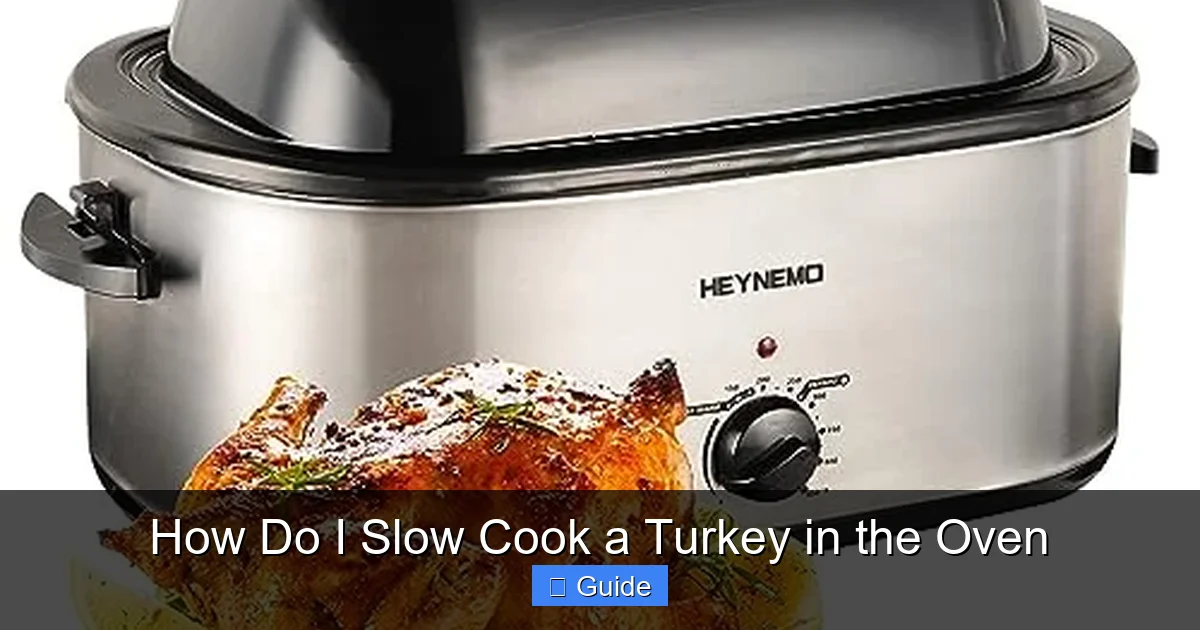
Visual guide about how to slow cook turkey in oven
Image source: m.media-amazon.com
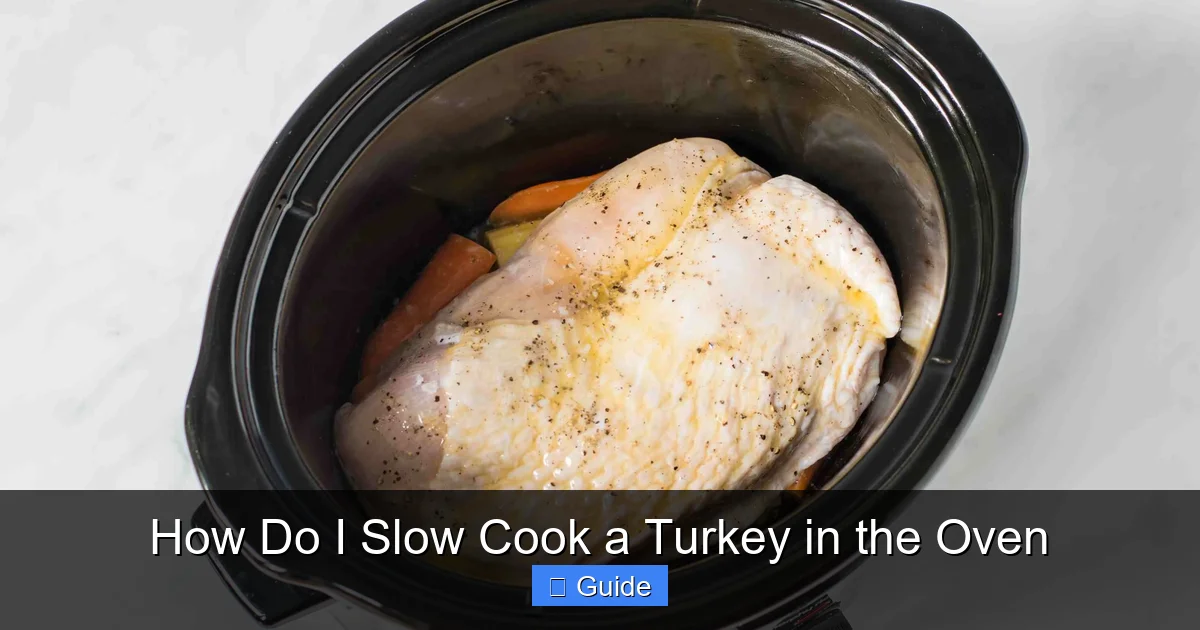
Visual guide about how to slow cook turkey in oven
Image source: thespruceeats.com
Once thawed, remove the turkey from its packaging. You’ll usually find the giblets and neck inside the body cavity or neck cavity. Remove these and reserve them for gravy, or discard them.
Pat Dry, Inside and Out
This step is often overlooked but is incredibly important for crispy skin. Use paper towels to thoroughly pat the turkey dry, both inside the cavity and all over the skin. A dry surface allows the skin to render fat and crisp up beautifully.
Seasoning for Flavor and Moisture
This is where the magic happens! To really slow cook a turkey with incredible flavor:
- Butter Under the Skin: Gently separate the skin from the breast meat using your fingers, being careful not to tear it. Take softened butter and push it under the skin, spreading it evenly over the breast meat. This adds moisture and flavor directly to the meat.
- Butter or Oil Rub on the Skin: Rub the remaining softened butter (or olive oil) all over the exterior of the turkey skin.
- Generous Seasoning: Liberally season the entire turkey, inside and out, with salt and freshly ground black pepper. Don’t be shy – this is a large bird! You can also use poultry seasoning or your favorite herb blend.
- Aromatics in the Cavity: Stuff the turkey cavity with halved onions, celery stalks, garlic cloves, and fresh herb sprigs (rosemary, thyme, sage). These aromatics infuse the meat with flavor from the inside out.
Trussing (Optional but Recommended)
Trussing means tying the turkey’s legs together and tucking the wing tips under its body. This helps the turkey cook more evenly, prevents the wing tips from burning, and creates a more compact, attractive presentation. Use kitchen twine for this.
Setting Up Your Oven for a Long, Slow Roast
The key to how to slow cook a turkey in the oven is, of course, the oven itself.
Oven Temperature is Crucial
For slow cooking, you want a low and consistent temperature. Preheat your oven to a gentle 250°F (120°C) to 300°F (150°C). We recommend starting with 275°F (135°C) for a good balance. Lower temperatures mean longer cooking times but maximize moisture retention. Make sure your oven is fully preheated before putting the turkey in.
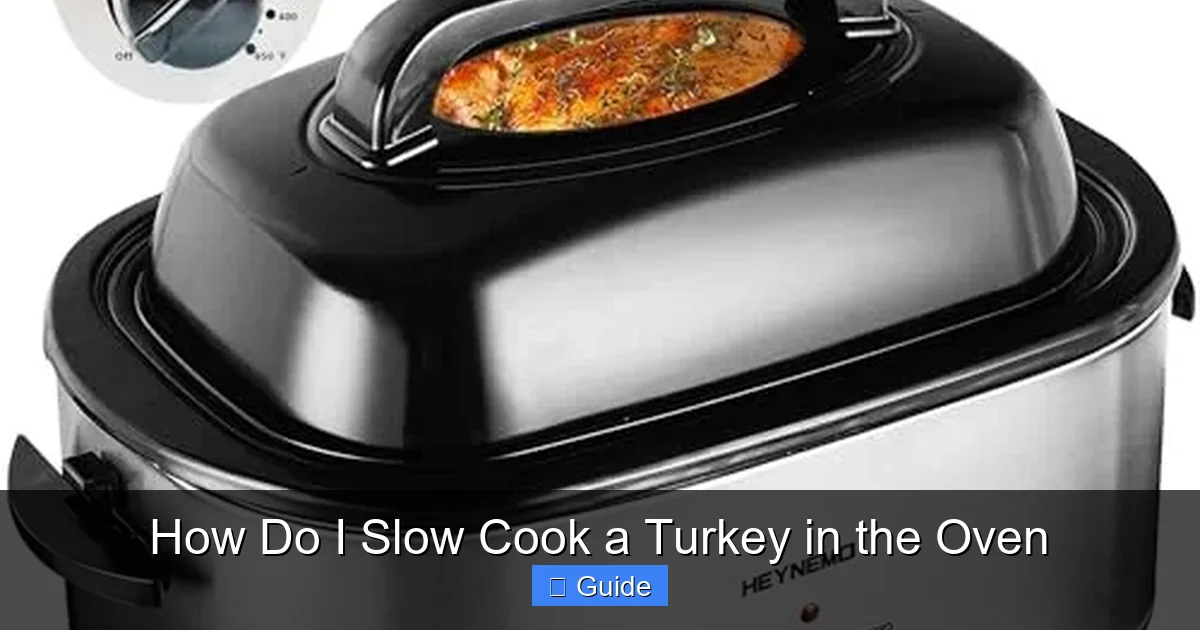
Visual guide about how to slow cook turkey in oven
Image source: m.media-amazon.com
Roasting Pan Setup
Place the turkey, breast-side up, on the rack in your roasting pan. Pour 1-2 cups of chicken or turkey broth into the bottom of the pan. This adds moisture to the oven environment, keeps the drippings from burning, and contributes to a flavorful gravy base.
The Slow Cooking Process: Step-by-Step
Now for the main event! This is how to slow cook a turkey beautifully.
Step 1: The Initial Uncovered Roast
Place the roasting pan with the turkey into the preheated oven. For the first hour, leave the turkey uncovered. This helps the skin begin to brown and develop some crispness at the lower temperature. Don’t worry if it’s not deeply golden yet; we’ll address that later if needed.
Step 2: The Long, Slow Roast Under Cover
After the first hour, loosely tent the turkey with heavy-duty aluminum foil. The foil should create a dome over the bird, preventing the skin from browning too quickly and locking in moisture. Make sure it’s not sealed tightly, as some steam needs to escape. Return the turkey to the oven.
This is where the majority of the slow cooking happens. For a 12-14 pound turkey, expect 6-8 hours, potentially longer for larger birds or lower temperatures. A general guideline is 20-30 minutes per pound at 275°F (135°C), but this is just a starting point. Always rely on your meat thermometer.
Basting: Every 1.5 to 2 hours, carefully remove the foil and baste the turkey with the pan juices. You can also drizzle more melted butter or warm broth over the skin. Re-tent with foil after basting.
Step 3: Monitoring Internal Temperature
This is the most critical step to ensure your turkey is perfectly cooked and safe. About 1-2 hours before you anticipate it being done, start checking the internal temperature with your meat thermometer.
- Insert the thermometer into the thickest part of the thigh, making sure it doesn’t touch the bone.
- Check the thickest part of the breast as well.
- The turkey is safely cooked when it reaches an internal temperature of 165°F (74°C) in both the thigh and breast.
Remember that the temperature will continue to rise by a few degrees (carryover cooking) even after you remove the turkey from the oven.
Step 4: Adding More Liquid (If Needed)
Throughout the cooking process, keep an eye on the liquid level in the bottom of your roasting pan. If it starts to evaporate too much, add another cup of broth or water. This prevents drippings from burning and contributes to your gravy base.
Achieving Golden-Brown, Crispy Skin (Optional Finishing Touch)
Sometimes, with slow cooking, the skin might not be as crispy or deeply golden brown as you’d like. Here’s how to fix that:
Once your turkey reaches 155-160°F (68-71°C) internally, remove the foil. Increase the oven temperature to 375-400°F (190-200°C) for the final 30-45 minutes of cooking. Keep a close eye on it! This higher heat will crisp up the skin beautifully. Continue cooking until the thermometer registers 165°F (74°C).
Resting Your Turkey: The Golden Rule
This step is non-negotiable for a truly moist turkey. Once your turkey reaches the target temperature, remove it from the oven and transfer it to a large cutting board. Loosely tent it again with foil and let it rest for at least 30-60 minutes (longer for very large birds).
Why rest? Resting allows the juices, which have been pushed to the center of the bird during cooking, to redistribute throughout the meat. If you carve immediately, all those delicious juices will run out onto your cutting board, leaving you with drier meat. Resting ensures every slice is incredibly tender and juicy.
Carving and Serving
After resting, you’re ready to carve! Use a sharp knife to remove the legs and thighs, then slice the breast meat. Arrange the carved turkey on a warm platter and serve immediately with your favorite sides and gravy made from those amazing pan drippings.
Troubleshooting Common Slow Cooking Issues
Even when you slow cook a turkey, sometimes little things can go wrong. Here’s how to address them:
Dry Turkey
This is less common with slow cooking but can still happen if overcooked. Ensure you’re using a reliable thermometer and pulling the turkey at 165°F (74°C). Also, remember to baste regularly and keep liquid in the roasting pan. Brining your turkey beforehand can also significantly boost moisture.
Pale Skin
If your skin isn’t golden, you likely didn’t remove the foil or increase the temperature at the end. As mentioned in the “Crispy Skin” section, finish the last 30-45 minutes uncovered at a higher temperature (375-400°F / 190-200°C) to achieve that beautiful brown and crispy exterior.
Turkey Cooking Too Fast or Too Slow
Oven temperatures can vary. Investing in an inexpensive oven thermometer to verify your oven’s accuracy can be helpful. Also, the starting temperature of your turkey, how often you open the oven, and the turkey’s initial size and shape all affect cooking time. Always rely on the internal temperature, not just the clock.
Additional Tips for Success
- Don’t Overstuff the Cavity: While aromatics are great, don’t pack the cavity tightly with traditional stuffing. This can inhibit even cooking and prolong the cooking time, potentially making the bird unsafe. Cook stuffing separately.
- Use a Good Meat Thermometer: We cannot stress this enough. An accurate, reliable meat thermometer is the single most important tool for cooking turkey safely and perfectly.
- Resist Opening the Oven: Every time you open the oven door, the temperature drops, extending your cooking time. Only open it for basting or temperature checks.
- Plan for Thawing Time: Don’t underestimate how long it takes to thaw a frozen turkey in the refrigerator. Start several days in advance.
- Consider Brining: For an extra juicy and flavorful turkey, consider a wet or dry brine a day or two before cooking. This adds incredible moisture and seasoning deep into the meat.
Conclusion
Congratulations! You now have all the knowledge you need to slow cook a turkey in the oven like a seasoned pro. By following these steps – from careful preparation and seasoning to the gentle, low-and-slow roasting process, and the all-important resting period – you’ll achieve a turkey that’s consistently tender, incredibly moist, and bursting with flavor.
This method takes the guesswork and much of the stress out of cooking a large bird, leaving you with more time to enjoy your holiday gathering and the praise from your delighted guests. So go ahead, embrace the slow cook revolution, and prepare for your most delicious turkey yet!

Jennifer D. Simon has spent the last 26 years studying and practicing nutrition science. She has used a larger part of this time in improving people’s livelihoods. She has done so by coming up with unquestionable ideas on how to tackle food problems in her community. Read More