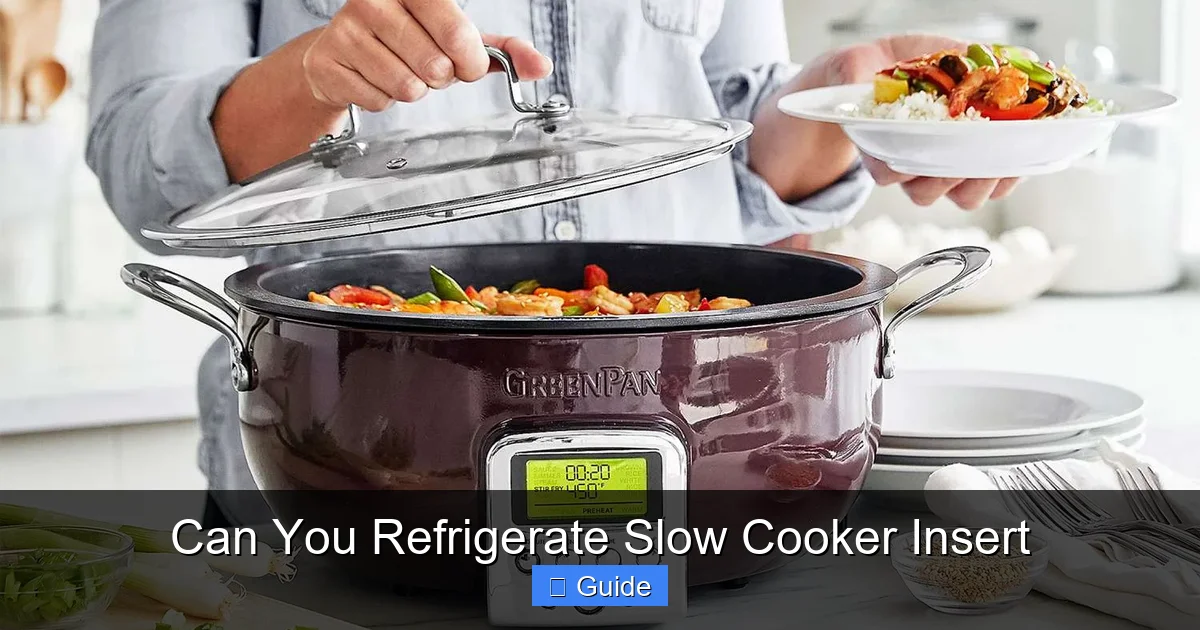
Can You Refrigerate Slow Cooker Insert
Wondering if you can refrigerate your slow cooker insert? The good news is, yes, you absolutely can! This guide will walk you through the safe and practical steps for cooling down and storing your slow cooker insert with food directly in the fridge. By following simple tips on proper cooling and covering, you can easily save leftovers and streamline your meal prep using this convenient method.
Can You Refrigerate Slow Cooker Insert?
There’s nothing quite like the convenience of a slow cooker. You toss in your ingredients, set it, and forget it, only to return hours later to a delicious, home-cooked meal. But what happens when you have leftovers? A common question that pops up in many kitchens is: “Can I refrigerate my slow cooker insert directly, or do I need to transfer the food to another container?”
If you’ve ever stood in front of your slow cooker, eyeing that delicious stew or chili and wondering about the best way to store it, you’re in the right place. This comprehensive guide will tell you everything you need to know about refrigerating your slow cooker insert. We’ll cover the short answer, the why, the how, and important considerations to ensure food safety and prolong the life of your beloved appliance. By the end of this guide, you’ll be a pro at storing your slow cooker creations!
Key Takeaways
- Yes, you can refrigerate your slow cooker insert: It’s generally safe and convenient for storing leftovers.
- Always cool the insert first: Never place a hot slow cooker insert directly into the refrigerator; allow it to cool to room temperature to prevent thermal shock and fridge temperature fluctuations.
- Ensure proper food safety: Cool food quickly within two hours and cover the insert tightly before placing it in the fridge to prevent contamination.
- Consider space and weight: Slow cooker inserts can be bulky and heavy, so ensure you have adequate refrigerator space and that your shelves can support the weight.
- Lids are essential: Use the original lid, aluminum foil, or plastic wrap to create a tight seal and keep food fresh.
- Material matters for reheating: While most inserts are fridge-safe, check manufacturer guidelines for reheating directly from cold, especially if transferring to an oven or back to the slow cooker base.
- Cleaning is key: Always clean the slow cooker insert thoroughly before and after use to maintain hygiene and prevent odors.
The Short Answer: Yes, But With Important Considerations
Good news for all slow cooker enthusiasts! The answer is a resounding yes, you can refrigerate your slow cooker insert. Most slow cooker inserts, whether they are made of ceramic, stoneware, or non-stick metal, are designed to be refrigerator-safe. This means you can store your delicious leftovers directly in the insert, saving you from extra dishwashing and container shuffling.
However, simply knowing you *can* refrigerate a slow cooker insert isn’t enough. There are crucial steps and best practices you need to follow to ensure food safety, prevent damage to your insert, and keep your refrigerator running efficiently. Let’s dive into the details.
Why Refrigerate Your Slow Cooker Insert?
Refrigerating your slow cooker insert directly offers several benefits that make it a popular choice for many home cooks:
Convenience and Less Cleanup
One of the biggest advantages is convenience. By storing food in the insert, you eliminate the need to transfer hot food to separate containers. This saves you time and reduces the number of dishes you’ll have to wash later.
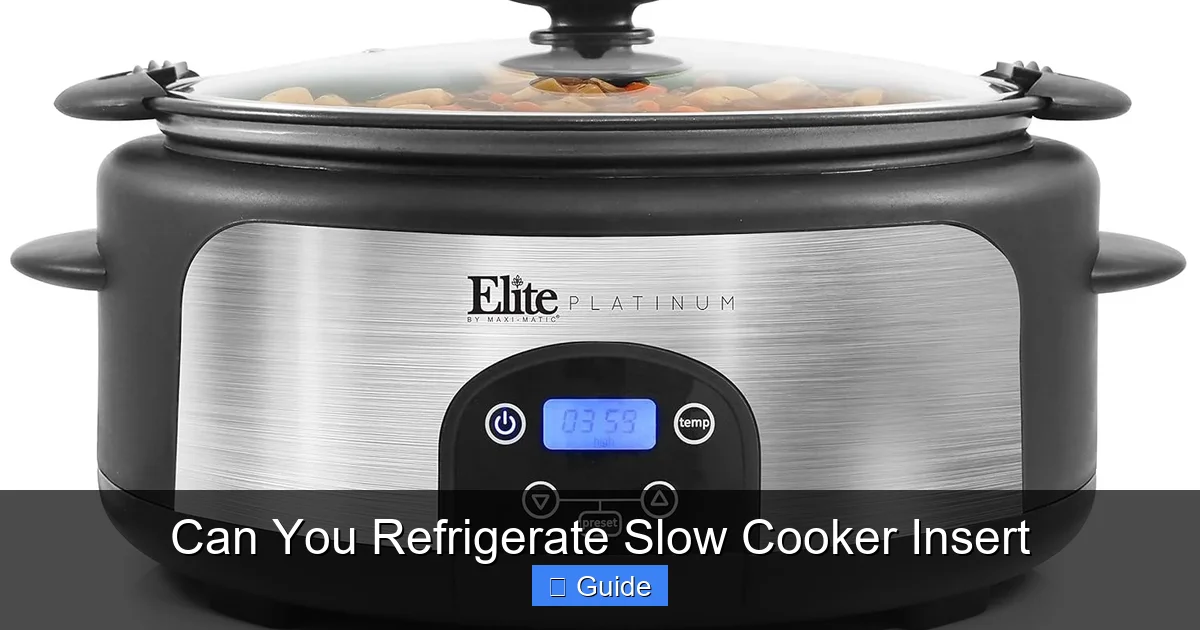
Visual guide about how to refrigerate slow cooker insert
Image source: images-na.ssl-images-amazon.com
Preserving Flavor and Moisture
Keeping food in its original cooking vessel can sometimes help preserve its flavor and moisture better. The insert often provides a good seal, especially if you use the original lid, which helps keep the food fresh.
Streamlining Reheating
When it’s time to reheat, you can often place the insert directly back into the slow cooker base (after it has come to room temperature or been gently warmed, depending on the manufacturer’s instructions) or even into the oven (if your insert is oven-safe). This makes meal prep even easier on subsequent days.
Step-by-Step Guide to Refrigerating Your Slow Cooker Insert Safely
While refrigerating your slow cooker insert is straightforward, following these steps will ensure optimal food safety and prevent any issues.
Step 1: Allow the Slow Cooker Insert to Cool Down Completely
This is arguably the most crucial step. Never place a hot or even warm slow cooker insert directly into your refrigerator. Why? There are a few important reasons:
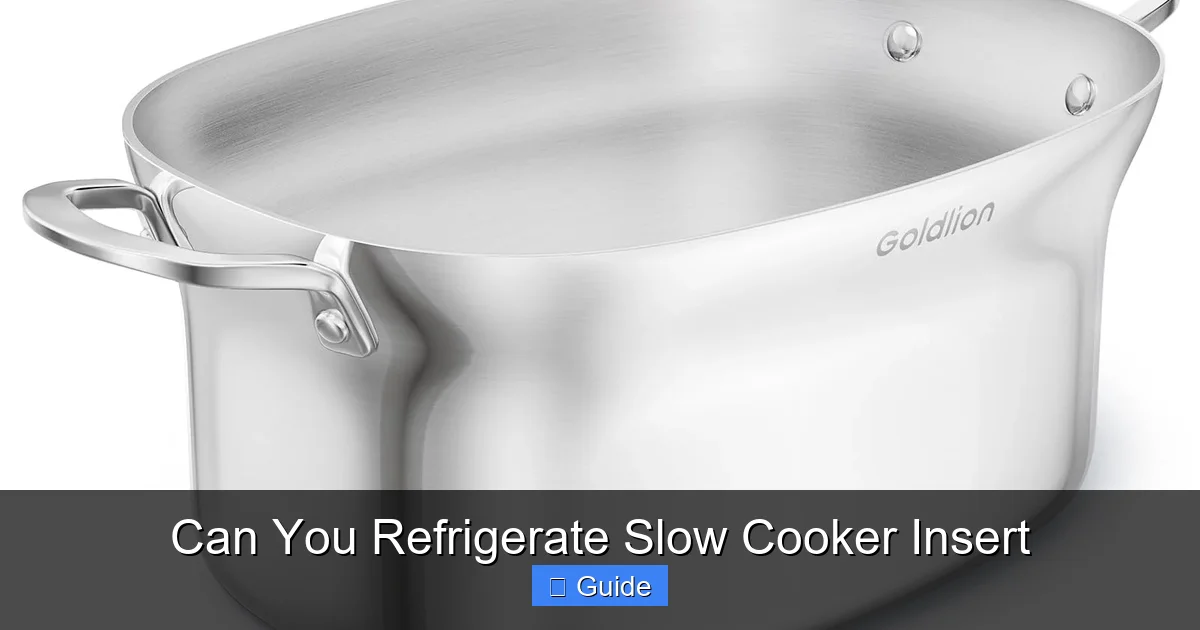
Visual guide about how to refrigerate slow cooker insert
Image source: m.media-amazon.com
- Thermal Shock: Rapid temperature changes can cause ceramic or stoneware inserts to crack or shatter. This is called thermal shock.
- Food Safety Risk: Placing a large, hot container of food into the fridge can raise the overall temperature inside the refrigerator, putting other stored foods at risk of spoiling. The hot food itself will also take longer to cool down to a safe temperature (below 40°F or 4°C), increasing the risk of bacterial growth.
How to cool it down safely:
The USDA recommends cooling hot foods to below 40°F (4°C) within two hours. To achieve this:
- Turn off the slow cooker: As soon as cooking is complete, switch off the appliance and unplug it.
- Remove the insert from the base: Carefully lift the insert out of the heating element base.
- Let it sit at room temperature: Allow the insert to sit on a heat-resistant surface (like a trivet or cooling rack) for 30 minutes to an hour. This initial cooling helps significantly.
- Divide large portions: If you have a very large volume of food, consider dividing it into smaller, shallow containers to speed up the cooling process before transferring it back to the insert (or storing separately if the insert is still too warm). You can also place the insert in a sink filled with ice water for faster cooling, being careful not to submerge the food.
- Check the temperature: The food should be cooled to at least 70°F (21°C) before placing it in the refrigerator. Use a food thermometer if you want to be precise.
Step 2: Ensure Proper Food Safety Practices
Beyond cooling, other food safety measures are important when you refrigerate your slow cooker insert.
- Two-Hour Rule: Make sure the food cools from 140°F (60°C) to 70°F (21°C) within two hours, and then from 70°F (21°C) to 40°F (4°C) within the next four hours. The entire cooling process shouldn’t take longer than six hours from the time cooking finished.
- Don’t overfill: Leave some headspace, especially if you plan to cover it with plastic wrap.
Step 3: Cover the Slow Cooker Insert Tightly
Once the food and insert have cooled sufficiently, it’s time to cover it. Proper covering is essential for preventing cross-contamination, keeping the food fresh, and avoiding refrigerator odors.
- Use the original lid: If your slow cooker insert came with a lid, this is often the best option. Ensure it forms a snug fit.
- Aluminum foil: A double layer of heavy-duty aluminum foil can create an excellent seal over the top of the insert.
- Plastic wrap: Several layers of plastic wrap, pulled tightly, can also work well.
- Specialized lids: Some slow cooker brands offer special refrigerator lids or storage lids for their inserts. Check if your brand has one.
The goal is to create an airtight or near-airtight seal to protect your food.
Step 4: Make Space and Place in the Refrigerator
Slow cooker inserts can be quite bulky and heavy, especially when filled with food. Before you lift and place the insert into the fridge:
- Clear a space: Make sure there’s enough room on a sturdy shelf. You might need to adjust or remove other items.
- Consider the weight: Ceramic and stoneware inserts are heavy. Ensure your refrigerator shelves can safely support the weight. Place it on a lower shelf if possible for stability and to prevent potential mishaps.
- Position for air circulation: Try not to pack your fridge too tightly around the insert. Good air circulation helps the fridge maintain its temperature and cool items efficiently.
Step 5: Reheating from a Refrigerated Slow Cooker Insert
When you’re ready to enjoy your leftovers, you have a few options for reheating:
- Back in the slow cooker base: Many ceramic or stoneware inserts can be reheated in their original slow cooker base. However, it’s crucial to allow the insert to come closer to room temperature first to avoid thermal shock. Heating a very cold insert too quickly can cause it to crack. Some manufacturers recommend not reheating from cold in the slow cooker. Always check your slow cooker’s manual.
- In the oven: Many inserts are oven-safe. Again, it’s often best to allow the insert to warm up slightly from fridge temperature before placing it into a preheated oven. Start with a cold oven and let it heat up with the insert for gentler temperature changes. Check your insert’s specific instructions.
- Transfer to another pot/microwave: For the safest and quickest reheating, especially if you’re concerned about thermal shock, you can always transfer portions of the food to a regular pot on the stovetop or a microwave-safe dish.
Important Considerations and Best Practices
Check Your Manufacturer’s Guidelines
While generally safe, always refer to your specific slow cooker’s user manual. Manufacturers might have particular recommendations or warnings regarding refrigerating or reheating their inserts. Some newer models, especially those with non-stick metal inserts, might have slightly different guidelines.
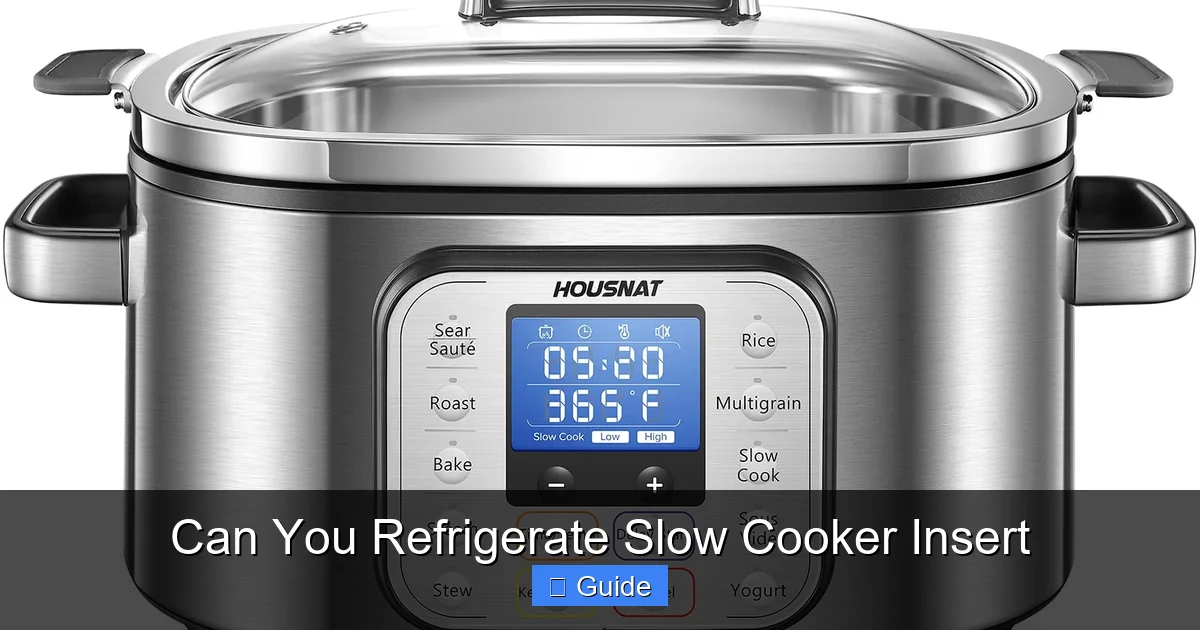
Visual guide about how to refrigerate slow cooker insert
Image source: m.media-amazon.com
Don’t Use a Damaged Insert
If your slow cooker insert has any chips, cracks, or deep scratches, do not use it for cooking or storing food. Damaged inserts can compromise food safety and are more prone to further breakage.
Beware of Odors
While a good lid helps, some strong-smelling foods (like curries or chilis) can impart odors to your refrigerator or even to the insert itself over time if not properly sealed. Always ensure the lid is tight.
How Long Can You Store Food in the Insert?
Treat food stored in your slow cooker insert just like any other leftovers. Generally, cooked food can be safely stored in the refrigerator for 3-4 days. Beyond that, it’s best to freeze it in freezer-safe containers.
Cleaning After Use
Once you’ve finished with the leftovers, thoroughly clean your slow cooker insert according to the manufacturer’s instructions. Most are dishwasher-safe, but hand washing is often recommended for longevity.
Troubleshooting Common Concerns
“My Insert is Too Big for My Fridge!”
This is a common issue with larger slow cookers. If your insert simply won’t fit without extreme rearrangement, you have a few options:
- Divide the food: Transfer smaller portions of the cooled food into multiple smaller, refrigerator-friendly containers.
- Partial storage: Store the main portion in the insert if it fits, and transfer any excess to other containers.
“I Accidentally Put a Warm Insert in the Fridge!”
If this happens occasionally, it’s not the end of the world, but try to avoid it. Immediately check the temperature of the food. If it’s still above 40°F (4°C) after 2-3 hours in the fridge, consider discarding it, especially if it’s a large volume, as it may not have cooled safely. Also, check other items in your fridge to ensure their temperature hasn’t risen significantly.
“My Insert Cracked After Refrigerating!”
This is almost always due to thermal shock from placing a hot insert into the cold fridge, or from reheating a very cold insert too quickly. Always prioritize gradual cooling and warming. If an insert cracks, it must be replaced for safety reasons.
Conclusion
So, can you refrigerate slow cooker insert? Absolutely! It’s a convenient and efficient way to store your delicious slow cooker creations. By following the simple steps of proper cooling, tight sealing, and mindful placement, you can safely extend the life of your leftovers and simplify your kitchen routine. Remember to always prioritize food safety, consult your appliance’s manual, and give your slow cooker insert the care it deserves. Happy cooking and even happier leftover eating!

Jennifer D. Simon has spent the last 26 years studying and practicing nutrition science. She has used a larger part of this time in improving people’s livelihoods. She has done so by coming up with unquestionable ideas on how to tackle food problems in her community. Read More