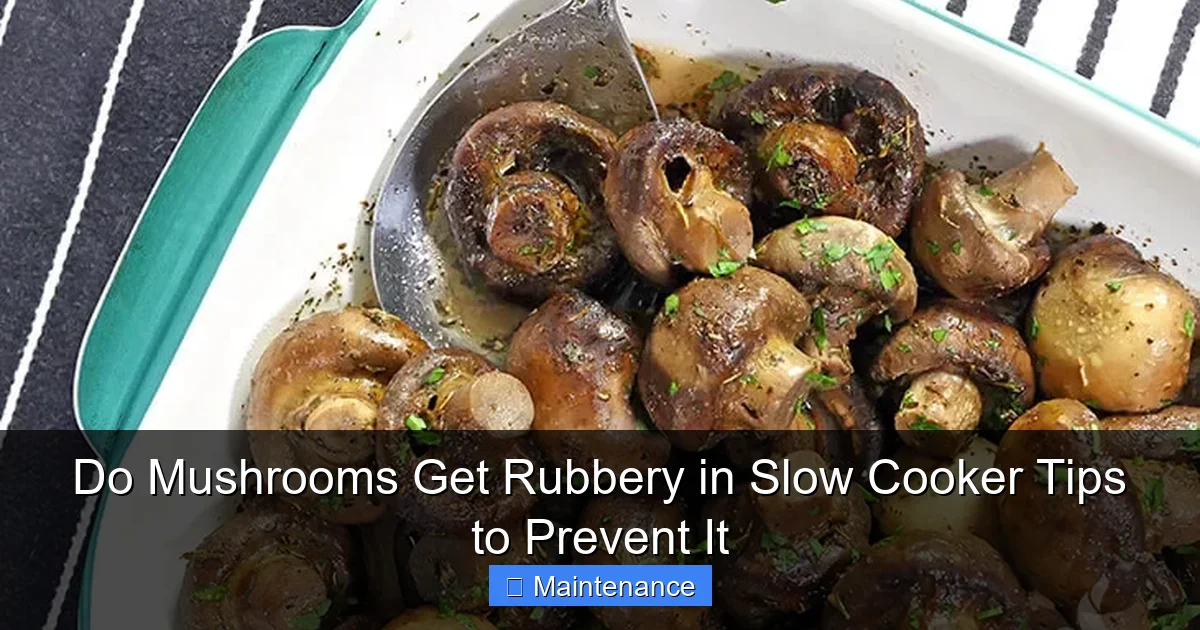
Do Mushrooms Get Rubbery in Slow Cooker Tips to Prevent It
Have you ever wondered, “do mushrooms get rubbery in slow cooker?” The answer, unfortunately, is yes, they often can. This common culinary challenge arises primarily from their high water content and prolonged exposure to heat. However, with the right techniques—like timing their addition, pre-sautéing, and managing liquid—you can easily prevent this chewy fate and ensure your mushrooms emerge tender and flavorful every time.
Do Mushrooms Get Rubbery in Slow Cooker Tips to Prevent It
Picture this: you’ve spent hours crafting a delicious slow cooker meal, the aroma filling your kitchen with warmth and promise. Everything looks perfect, from the tender meat to the vibrant vegetables, until you take that first bite of a mushroom. Instead of the earthy, tender morsel you anticipated, you’re met with a chewy, unyielding texture. It’s a common culinary disappointment, and if you’ve ever found yourself asking, “do mushrooms get rubbery in slow cooker?”, you’re certainly not alone.
The slow cooker is a magical kitchen appliance, transforming tough cuts of meat and simple ingredients into mouth-watering meals with minimal effort. However, its low-and-slow cooking method, while perfect for some foods, can be a bit of a challenge for others – and mushrooms often fall into that tricky category. Their delicate nature, combined with a high water content, makes them particularly vulnerable to becoming rubbery, watery, or even slimy if not handled with care. But don’t despair! This article is your ultimate guide to understanding why this happens and, more importantly, how to prevent it, ensuring your slow cooker mushrooms are always perfectly tender and flavorful.
Key Takeaways
- Mushrooms are Prone to Becoming Rubbery: Their high water content and unique cellular structure make them susceptible to becoming tough and chewy when subjected to long, moist cooking methods like slow cooking.
- Timing is Crucial: Adding mushrooms towards the end of the slow cooking process (last 30-60 minutes) is one of the most effective ways to prevent them from becoming rubbery.
- Pre-Sautéing is a Game-Changer: Briefly browning mushrooms in a hot pan before adding them to the slow cooker caramelizes their natural sugars, enhances their flavor, and helps them maintain a better texture.
- Control Liquid Levels: Mushrooms release a lot of water. Ensure your slow cooker isn’t overly liquid-heavy, as excessive moisture contributes to a soggy, rubbery texture.
- Choose Wisely: Heartier mushroom varieties like cremini, shiitake, or portobello tend to hold up better to slow cooking than delicate button mushrooms.
- Don’t Overcrowd: Give mushrooms space to breathe. Overcrowding the slow cooker can lead to steaming rather than gentle cooking, resulting in an undesirable texture.
- Proper Sizing Helps: Cutting mushrooms into larger, more uniform pieces can help them retain moisture and firmness better during extended cooking times.
📑 Table of Contents
- The Science Behind Rubbery Mushrooms: Why It Happens
- Common Mistakes When Cooking Mushrooms in a Slow Cooker
- Proven Strategies to Prevent Rubbery Mushrooms
- Best Practices for Specific Slow Cooker Dishes
- Reviving Rubbery Mushrooms (If It Happens!)
- Beyond Rubbery: Enhancing Mushroom Flavor in Slow Cookers
The Science Behind Rubbery Mushrooms: Why It Happens
To truly tackle the problem of rubbery mushrooms, it helps to understand a little bit about what’s going on at a molecular level. Mushrooms are fascinating fungi, and their unique composition dictates how they behave under different cooking conditions.
Mushroom Anatomy 101
Mushrooms are composed mostly of water, typically around 80-90%. This high water content is both their blessing and their curse. They also have a unique cell structure, primarily made up of chitin, a fibrous polysaccharide similar to the material found in crustacean shells. Unlike plant cells which have cellulose walls, chitin provides a more rigid, yet porous, structure. When cooked, the heat affects both the water content and these cell walls.
The Impact of Moisture and Heat
When mushrooms are cooked slowly in a moist environment, like a slow cooker, a few things happen:
- Water Loss: As mushrooms heat up, they release a significant amount of their internal water. If they cook for too long in this released water, they essentially boil and steam rather than brown, preventing caramelization and concentrating the remaining fibrous material.
- Chitin Tightening: Prolonged heat can cause the chitin in the cell walls to contract and become tougher. Imagine a sponge that’s been squeezed dry – it becomes denser and less pliable. Similarly, as water leaves the mushroom and the chitin tightens, the texture shifts from tender to rubbery or chewy.
- Lack of Maillard Reaction: The Maillard reaction is that wonderful chemical process that creates browning and complex flavors (think seared steak or roasted vegetables). In a slow cooker, especially one filled with liquid, the temperature rarely gets high enough, and the environment isn’t dry enough, for this reaction to occur on the mushroom surface. Without it, mushrooms can lack depth of flavor and desirable texture.
So, when you ask, “do mushrooms get rubbery in slow cooker?” the answer is a resounding “yes” if the conditions aren’t managed correctly. The key is to control their exposure to heat and moisture.
Common Mistakes When Cooking Mushrooms in a Slow Cooker
Understanding the science helps us pinpoint common errors. Many of these mistakes are easy to make, especially if you treat mushrooms like other hardier vegetables in your slow cooker.
Adding Them Too Early
This is perhaps the most frequent culprit. Throwing mushrooms into the slow cooker at the very beginning, alongside ingredients that require several hours to cook, guarantees they will be subjected to excessive heat and moisture. By the time your roast is fork-tender, your mushrooms will likely be rubbery or disintegrating.
Overcrowding the Pot
Mushrooms need space. When you pack too many into the slow cooker, they release their water but have no room for that water to evaporate. Instead, they end up stewing in their own juices (and the juices of other ingredients), leading to a soggy, rubbery texture rather than a tender one.
Too Much Liquid
A slow cooker is designed to retain moisture, which is great for braising. However, if your recipe already has a lot of liquid, and you add mushrooms that will release even more, you’re essentially submerging them in a bath. This creates a steaming effect that prevents any chance of a pleasant texture.
Wrong Mushroom Type
Not all mushrooms are created equal when it comes to slow cooking. Delicate varieties like white button mushrooms are more prone to becoming mushy or rubbery than their heartier cousins.
Proven Strategies to Prevent Rubbery Mushrooms
Now for the good news! With a few simple adjustments, you can consistently achieve perfectly cooked mushrooms in your slow cooker. No more asking, “do mushrooms get rubbery in slow cooker?” with dread!
Timing is Everything: The Late Addition Method
This is arguably the most impactful tip. Instead of adding mushrooms at the start, incorporate them towards the end of the cooking cycle.
How to do it: Add sliced or whole mushrooms during the last 30-60 minutes of cooking. This gives them just enough time to cook through, absorb some flavors, and become tender without turning rubbery. For dishes that are already very hot, 20-30 minutes might even be enough.
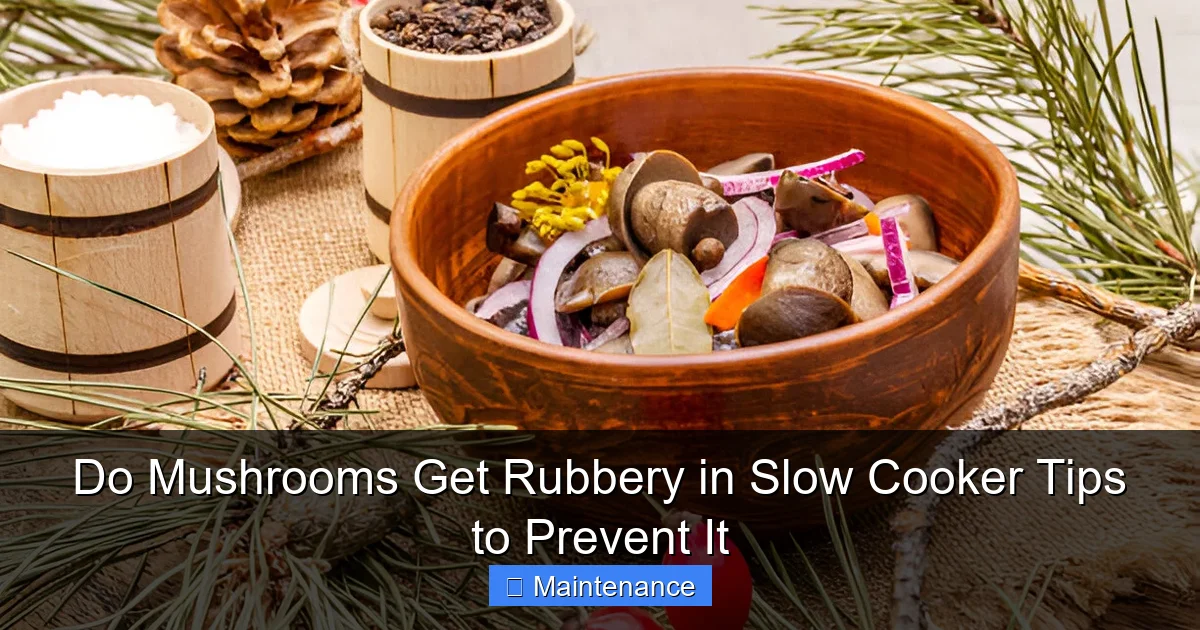
Visual guide about mushrooms get rubbery in slow cooker
Image source: recipesann.com

Visual guide about mushrooms get rubbery in slow cooker
Image source: recipesann.com
Example: If you’re making a beef stew that cooks for 6 hours on low, add your mushrooms after about 5 hours. Stir them in, replace the lid, and let them cook gently for the remaining time.
Pre-Sautéing for Texture and Flavor
This step might seem like extra work, but it pays dividends in both texture and taste.
How to do it: Before adding mushrooms to the slow cooker (even if you’re adding them late), quickly sauté them in a separate pan with a little oil or butter over medium-high heat. Cook until they release their moisture, it evaporates, and they begin to brown beautifully. This process creates the Maillard reaction, developing deep, earthy flavors and helping them retain a better texture in the slow cooker.
Example: For a creamy chicken and mushroom dish, sauté your sliced mushrooms in a hot pan until golden brown. This concentrates their flavor and prevents them from becoming rubbery in the slow cooker. You can then add these pre-sautéed mushrooms during the last hour.
Choosing the Right Mushroom Varieties
Some mushrooms simply hold up better to the slow cooker’s gentle, moist heat.
- Better Choices: Cremini (baby bellas), shiitake (especially de-stemmed caps), oyster, or even quartered portobello caps tend to have a firmer texture and more robust flavor that stands up well to longer cooking times.
- Avoid (or add very late): Delicate white button mushrooms are more prone to becoming watery or rubbery. If you use them, ensure they are added in the very final stages of cooking.
Controlling Liquid Levels
Be mindful of the total amount of liquid in your slow cooker.
How to do it: If your recipe calls for a lot of broth or liquid, consider reducing it slightly, especially if you’re also adding other water-releasing vegetables. Mushrooms will contribute their own moisture, so you might not need as much added liquid as you think. For dishes with a naturally thick sauce, mushrooms tend to fare better.
Sizing Matters
How you cut your mushrooms can impact their final texture.
How to do it: Cut mushrooms into larger, more uniform pieces. Whole small mushrooms, halved, or thickly sliced pieces will withstand the cooking process better than very thinly sliced or finely chopped ones. Larger pieces retain more moisture initially and don’t dry out or become rubbery as quickly.
Best Practices for Specific Slow Cooker Dishes
Let’s apply these general tips to some common slow cooker scenarios to show how you can specifically prevent mushrooms from becoming rubbery in slow cooker meals.
Stews and Soups
These dishes are inherently liquid-rich, making mushrooms particularly vulnerable.
Tip: Always pre-sauté your mushrooms until golden brown before adding them. Then, incorporate them during the last 45-60 minutes of simmering. This allows them to absorb the flavors of the stew without overcooking. If you’re making a creamy soup, adding them sautéed and late also prevents them from soaking up too much liquid and becoming soggy.

Visual guide about mushrooms get rubbery in slow cooker
Image source: storables.com
Casseroles and Roasts
Often less liquid-heavy than stews, but still long cooking times.
Tip: Sauté your mushrooms and add them in the last hour. For a roast, you can even add them around the meat during the last hour, allowing them to absorb some of those delicious meat juices and gently braise without becoming rubbery. If the casserole is particularly dry, a splash of broth with the mushrooms can help them cook through.
Vegetarian Delights
Many vegetarian slow cooker recipes rely heavily on vegetables, including mushrooms.
Tip: For dishes like mushroom Stroganoff or a hearty mushroom ragu, the pre-sautéing step is non-negotiable for flavor and texture. For extra firmness, consider adding a small amount of fat (like butter or olive oil) when you add the mushrooms late in the cook time, as this can help protect their cell walls and prevent them from absorbing too much liquid.
Reviving Rubbery Mushrooms (If It Happens!)
What if, despite your best efforts, you still find yourself asking, “do mushrooms get rubbery in slow cooker?” and the answer is an unfortunate “yes” for your current batch? Don’t toss them just yet! There are ways to salvage or repurpose them.
Quick Fixes for Texture
- Sauté Them Again: If they’re just slightly rubbery and still somewhat intact, quickly sauté them in a very hot pan with a little oil until they brown. This can sometimes improve their texture by driving off more moisture and promoting some browning.
- Chop and Blend: For seriously rubbery mushrooms, chopping them finely and incorporating them into a blended sauce (like a mushroom gravy, a creamy soup, or a meatloaf mix) can hide the textural issues entirely.
Incorporating into Other Dishes
Rubbery mushrooms might not be ideal as a standalone component, but they can still contribute flavor.
- Umami Boosters: Finely chop them and add them to a bolognese sauce, chili, or a shepherd’s pie filling. Their concentrated umami flavor will still shine through, even if their texture isn’t perfect.
- Stuffings and Fillings: Cooked down and chopped, they can be excellent additions to stuffings for poultry, bell peppers, or even savory pastries, where their texture blends with other ingredients.
Beyond Rubbery: Enhancing Mushroom Flavor in Slow Cookers
Preventing rubberiness is half the battle; the other half is making them truly delicious. Mushrooms are umami powerhouses, and with a little care, you can maximize their flavor in the slow cooker.
Umami Boosters
Mushrooms naturally contain glutamate, which gives them that savory “umami” taste. You can amplify this.
- Soy Sauce or Tamari: A dash added to your sautéing mushrooms or even directly to the slow cooker (sparingly, towards the end) can deepen their savory notes.
- Mushroom Powder: Dried mushroom powder (often made from porcini) is a fantastic secret ingredient. Add a teaspoon to your slow cooker sauce for an instant umami punch.
- Tomato Paste: Sautéing a tablespoon of tomato paste with your mushrooms before adding them to the slow cooker will add a rich, concentrated depth.
Seasoning Strategies
Don’t just rely on the slow cooker broth to season your mushrooms.
- Herbs: Thyme, rosemary, bay leaves, and parsley all pair beautifully with mushrooms. Add fresh herbs with your mushrooms during the last hour of cooking.
- Garlic and Onion: Always a winning combination with mushrooms. Sauté them together for maximum flavor development before they even enter the slow cooker.
- Acid: A squeeze of lemon juice or a splash of balsamic vinegar added at the very end can brighten and balance the earthy flavors of mushrooms.
So, the next time you’re planning a slow cooker masterpiece, you won’t have to wonder, “do mushrooms get rubbery in slow cooker?” anymore. With these tips and tricks, you can confidently include these delightful fungi in your dishes, knowing they’ll emerge tender, flavorful, and perfectly complement your slow-cooked creations. Happy cooking!
Frequently Asked Questions
Do all types of mushrooms get rubbery in a slow cooker?
While most mushrooms can become rubbery, more delicate varieties like white button mushrooms are more susceptible. Heartier mushrooms such as cremini, shiitake, and oyster mushrooms tend to hold their texture better during the slow cooking process.
Is it better to add mushrooms at the beginning or end of slow cooking?
It is almost always better to add mushrooms towards the end of the slow cooking process, typically during the last 30-60 minutes. This prevents them from overcooking, losing too much moisture, and becoming rubbery or mushy.
Does pre-sautéing mushrooms really help prevent rubberiness in a slow cooker?
Yes, pre-sautéing mushrooms is highly effective. It cooks off excess moisture, concentrates their flavor through the Maillard reaction, and helps them maintain a firmer, less rubbery texture when subsequently slow-cooked.
Can I use frozen mushrooms in a slow cooker without them getting rubbery?
Frozen mushrooms tend to release even more water than fresh ones. For best results, thaw them completely, drain any excess liquid, and ideally sauté them before adding them to the slow cooker during the final hour of cooking.
What if my slow cooker recipe specifically says to add mushrooms at the beginning?
If a trusted recipe instructs you to add mushrooms early, it might be designed for a specific outcome or a very short cook time. However, for most long slow-cooker recipes, even if the recipe doesn’t specify, adding them later will generally yield a better texture.
How can I tell if my mushrooms are getting rubbery in the slow cooker?
Rubbery mushrooms will feel tough and chewy when you bite into them, rather than tender and juicy. They might also appear shrunken or shriveled due to excessive water loss during prolonged cooking.

Jennifer D. Simon has spent the last 26 years studying and practicing nutrition science. She has used a larger part of this time in improving people’s livelihoods. She has done so by coming up with unquestionable ideas on how to tackle food problems in her community. Read More